DLSS-NR-on-AMD 0.5.0 arrived on September 29, 2026, with an especially important change for the Radeon RX 7000: developer Daniel Blanco states that the new version can boost performance by up to 207% over 0.4.3 on RDNA 3 GPUs. The update also promises a 5% gain on Radeon RX 9000 and improved Neural Rendering quality on all compatible cards.
The leap turns version 0.5.0 into a material delta over previous project updates. Still, the percentages come from the developer himself and do not equate to an independent benchmark. The official changelog on GitHub does not detail in this release the complete configuration used to reach the 207% peak.
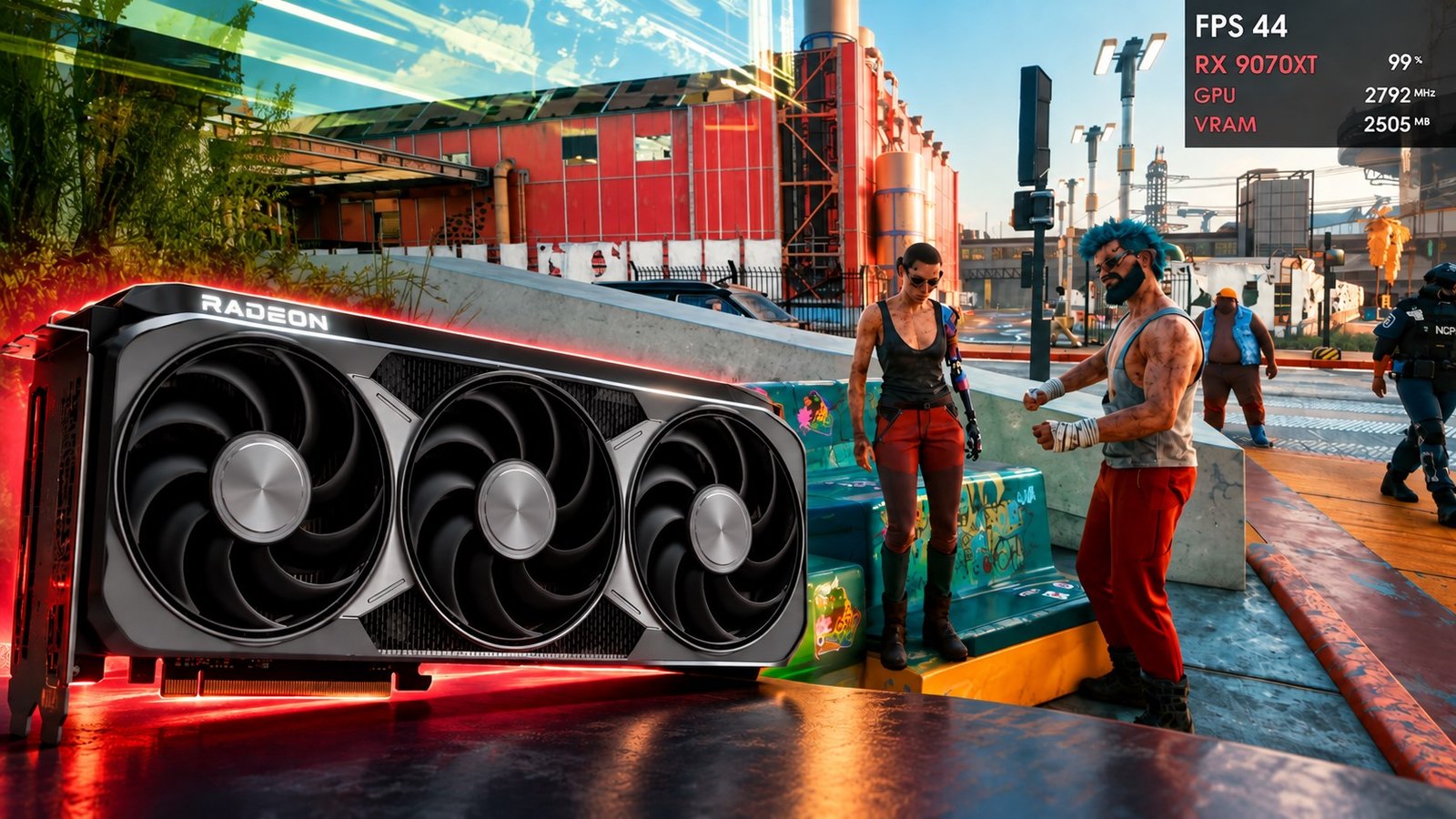
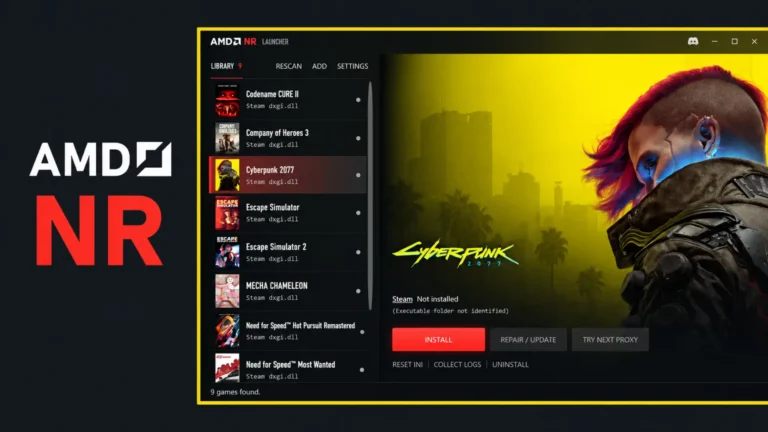
The project had already been accumulating performance gains in previous versions; the image belongs to the 0.4.0 coverage. Image: Allves Games.
DLSS-NR-on-AMD 0.5.0 mainly speeds up RX 7000
The main change is in the RDNA 3 family. According to the official release notes, Radeon RX 7000 cards can show an improvement of up to 207% compared to version 0.4.3. This number stands out because version 0.4.3 had already increased performance over 0.4.2, leading the project into a rapid sequence of optimizations.
On Radeon RX 9000 cards, based on RDNA 4, the announced gain is more modest: 5% over 0.4.3. Therefore, the biggest difference in this update seems to be the specific work done for the previous generation. The changelog does not authorize extrapolating the 207% peak to every RX 7000 card, every game, or every configuration.
This distinction is important. On September 26, Allves Games showed that DLSS-NR-on-AMD 0.4.0 already promised a 42% gain over 0.3.3. The following day, version 0.4.1 added new gains under load. Version 0.5.0 expands this trajectory once again, but now with a much more expressive optimization for RDNA 3.
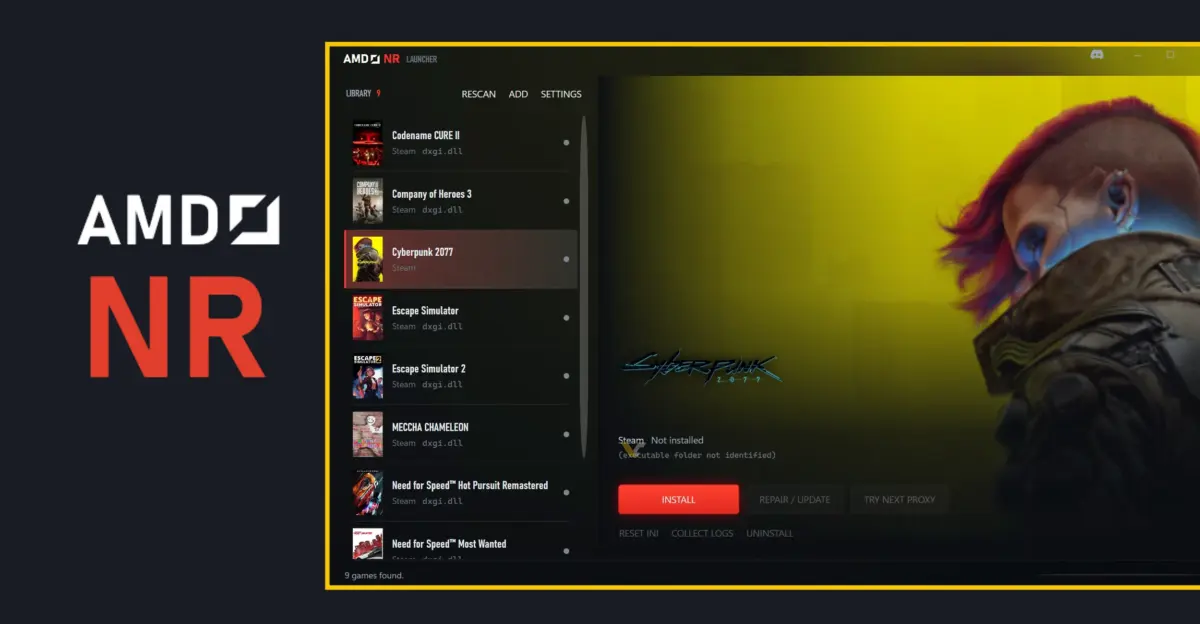
Version 0.4.1 had already improved execution under load; version 0.5.0 focuses a larger leap on the Radeon RX 7000. Image: Allves Games.
Neural Rendering quality has also changed
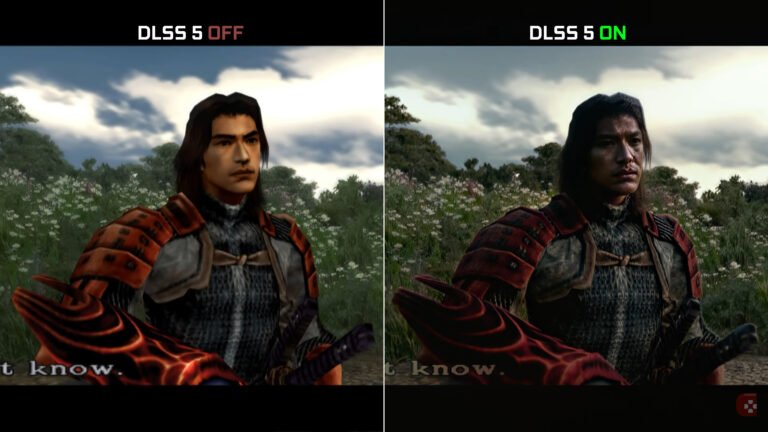
The update is not just about speed. Daniel Blanco states that the Neural Rendering output now features a richer and more detailed effect, especially on skin and faces. This change brings version 0.5.0's focus closer to two fronts at the same time: reducing computational cost and better preserving the model's visual impact.
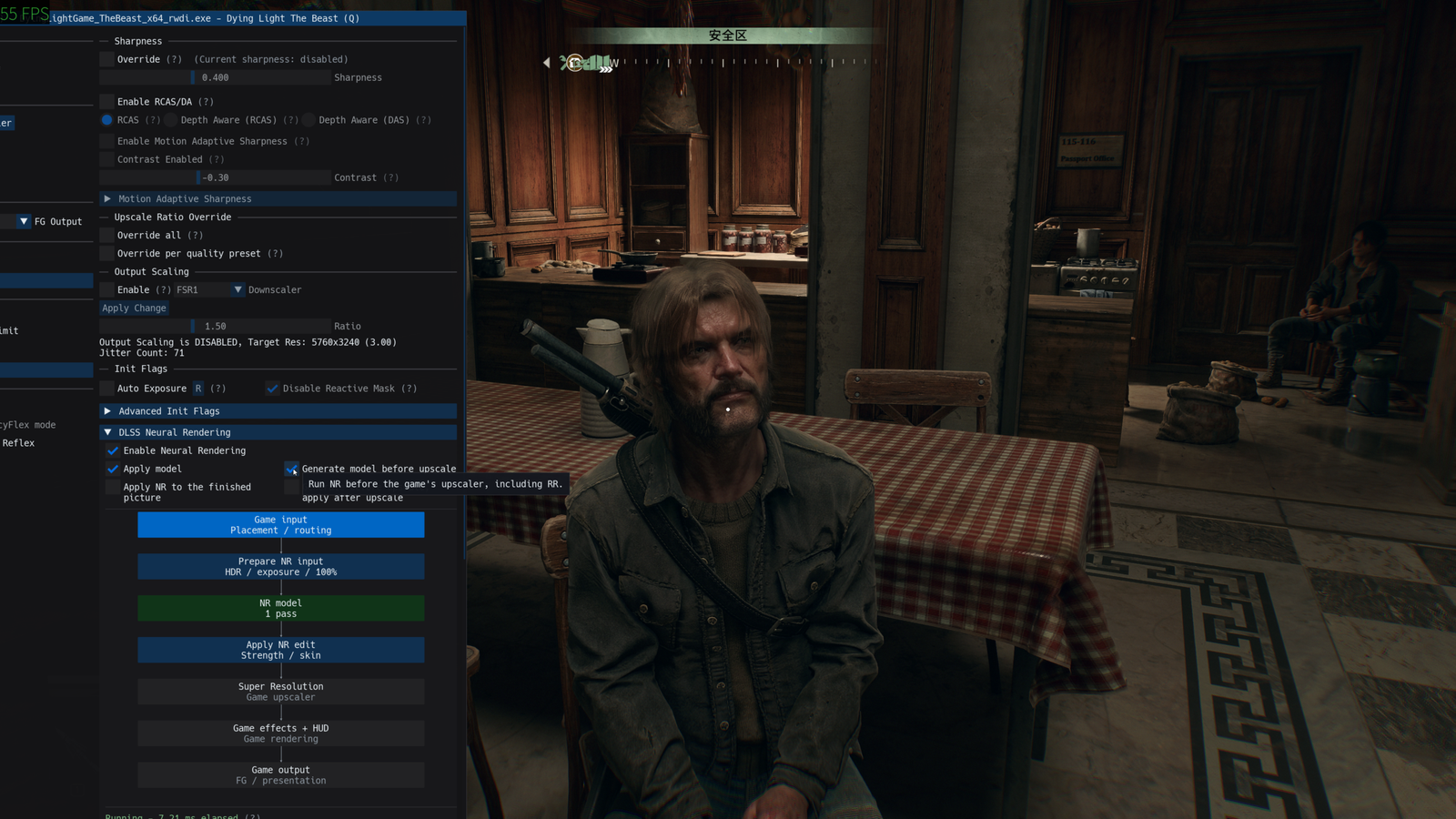
The project also received several improvements to the installer and settings editor. The public changelog is short and does not list every tweak, so there is no basis to attribute specific interface or compatibility changes beyond what the author has confirmed.
DLSS-NR-on-AMD remains a community project. It does not represent official support from AMD or NVIDIA for DLSS 5 on Radeon. NVIDIA itself officially offers DLSS 5 with 3D-Guided Neural Rendering on GeForce RTX 50 series, while this experimental implementation seeks to run the network on AMD hardware through another path.
What the 207% gain means in practice
"Up to 207%" describes a peak reported by the developer, and not a guarantee that the frame rate will triple in every scenario. The result may vary depending on the GPU, game, resolution, selected quality, remaining pipeline load, and other settings. Therefore, independent tests will still be important to measure the actual gain across different RDNA 3 models.
The previous version, 0.4.3, became known for the 75 FPS test in Cyberpunk 2077 at 1080p on a Radeon RX 9070 XT using the Fast mode. In that case, the developer stated a 20% improvement in Reference mode and 18% in Fast over 0.4.2. Version 0.5.0 uses 0.4.3 precisely as the baseline for comparison with the new percentages.
Thus, the most relevant point of this release is not just a higher number. The project now more directly targets the performance of the RDNA 3 architecture, which was previously limited to Reference mode in earlier versions, while also refining the visual output across all supported GPUs.
DLSS-NR-on-AMD 0.5.0 is still experimental
Despite the progress, the version continues to be identified as Alpha. This means that compatibility, stability, and performance may change rapidly between releases. It is also worth separating the project from official DLSS 5: the community implementation relies on its own engineering and integration and does not turn a Radeon into a GPU officially compatible with NVIDIA's technology.
The pace of development remains high. Version 0.4.3 was released on September 28 and 0.5.0 appeared on GitHub on September 29 at 14:22 according to the release log. Therefore, the results and integrations of related tools may change again shortly.
Sources: DLSS-NR-on-AMD 0.5.0 on GitHub; DLSS-NR-on-AMD 0.4.3 on GitHub; NVIDIA — DLSS 5 3D-Guided Neural Rendering.