OptiScaler F5 0.1.30 arrived on October 13, 2026, with experimental changes for Neural Rendering and frame generation in PC games. The fork maintained by janblade now offers an option for detail reuse every three frames, improvements to optical flow, and latency adjustments. The new features are listed in the official release, but do not represent universal performance gains.
The main package OptiScaler-DLSSNR-F5-0.1.30.zip is publicly available and is approximately 138.6 MB. Additionally, the author published an optional DLSS 5 forwarding package for other GPU brands. The files were verified by the release metadata, without independent download, installation, or benchmarking.
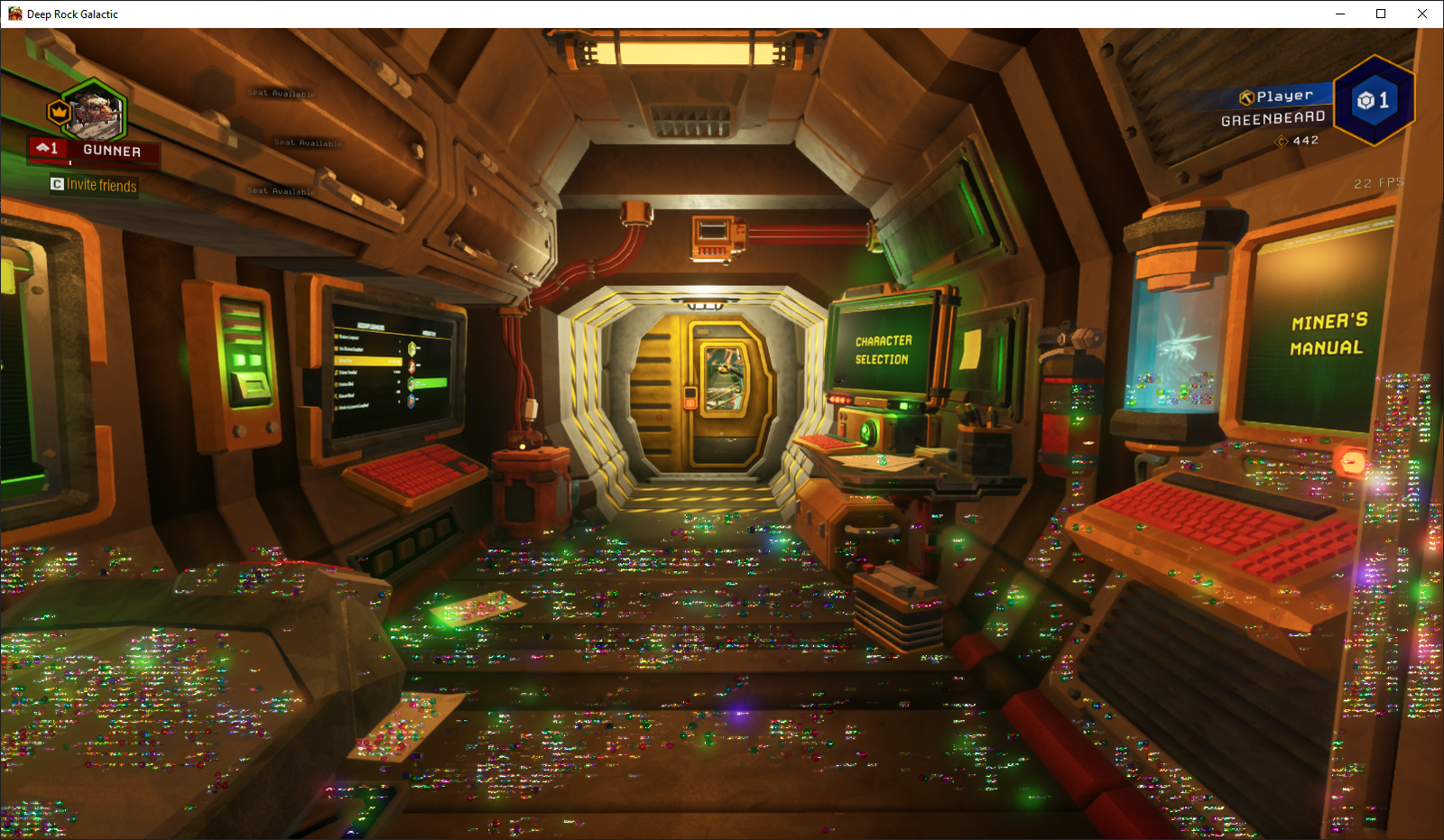
In-game image from the OptiScaler F5 documentation. Project illustration, not a specific test of version 0.1.30. Source: janblade / GitHub.
OptiScaler F5 0.1.30 reuses Neural Rendering details
Among the changes is the possibility of reusing detail information every third frame. Thus, the implementation seeks to reduce GPU workload during neural processing. However, the project itself notes that this saving may produce more visual trails in fast-moving scenes.
The F5Low optical flow mode also received adjustments to better handle contours and occlusions when depth information is present. Therefore, the intention is to reduce specific visual defects, not to eliminate artifacts in all games.
These changes complement OptiScaler F5 version 0.1.29, which had already introduced experimental edge compression options and the use of DXVK. The new release adds its own changes, but does not replace the need to test each setting.
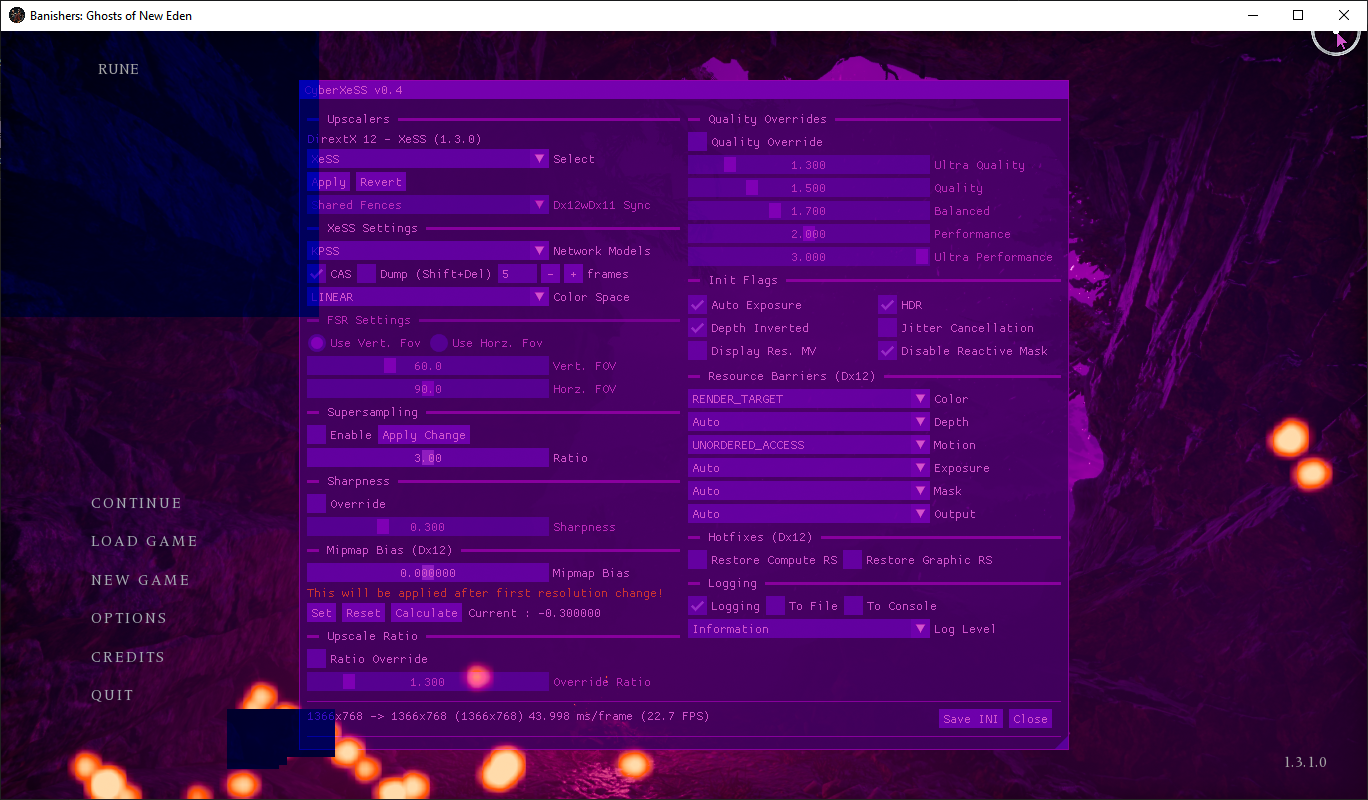
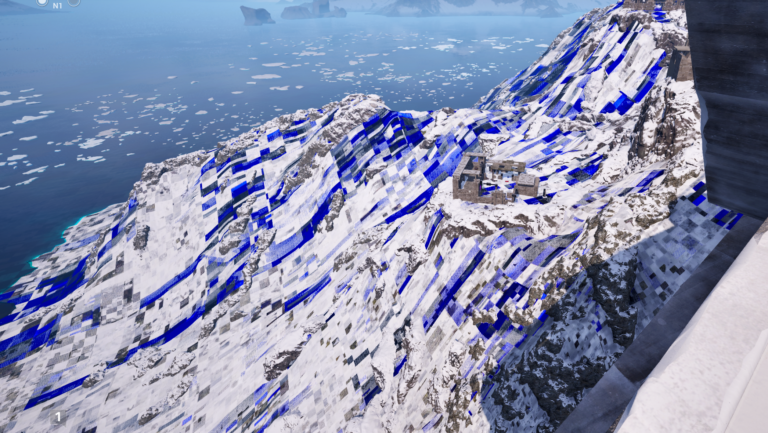
Scene from Banishers published by the author of OptiScaler F5. The image does not demonstrate the performance of version 0.1.30. Source: janblade / GitHub.
XeFG gains latency options and fixes in Vulkan
Version 0.1.30 expands options linked to NVIDIA Reflex and AMD Anti-Lag 2 for XeFG frame generation. In addition, the developer reports adjustments to the FPS limit and latency in paths that use Vulkan, DXVK, and FSR Frame Generation.
The author also cites changes in HDR processing, including experimental reference brightness controls (paper-white). However, these features may require manual configuration and do not have independent quality or latency results published in this assessment.
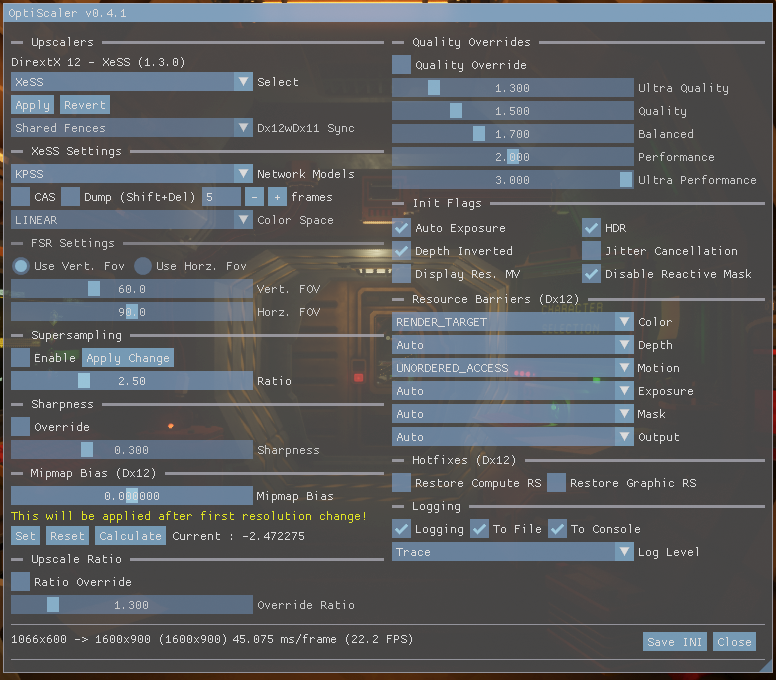
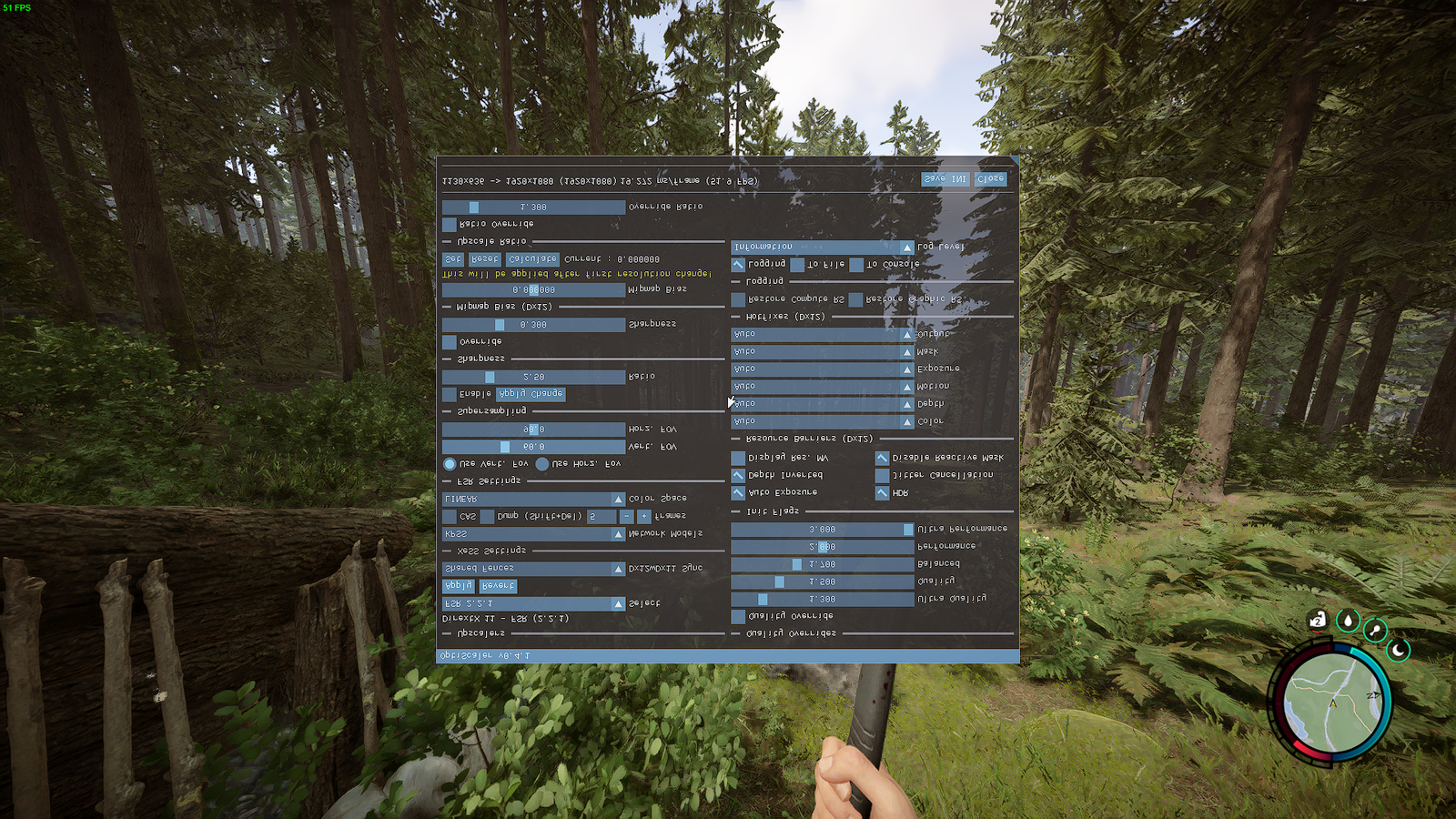
OptiScaler F5 settings interface in the official documentation; the panel may vary between versions. Source: janblade / GitHub.
Which games received fixes?
The patch notes mention adjustments related to Call to Arms, Death Stranding, Assassin's Creed Odyssey and systems with more than one GPU. Even so, the inclusion of a fix in the code does not prove that all configurations of these games have started working without issues.
The fork remains experimental. According to project README, the implementation depends on a compatible game and specific components. Furthermore, the model file nvngx_dlssnr.dll is not included in the main ZIP; the user must obtain it through the legitimate means described in the documentation.
Where to find version 0.1.30?
The release is at developer repository. Before installing, it is important to consult the official guide, check compatibility, and back up the modified game files.
For now, there is no independent measurement that allows for claiming a specific FPS increase, universal latency reduction, or absence of artifacts. To follow other neural rendering approaches, see also the recent AMDNR update, which is a distinct project.
Sources: OptiScaler F5 0.1.30 release (10/13/2026); fork README.