

Omnidroid 2.4.1-beta arrived on September 29, 2026 with the largest update published by the project so far. The new version adds experimental Wii U emulation via a Cemu core adapted for Android, migrates PlayStation 2 emulation to ARMSX2, and also redesigns the library scanning system. Furthermore, the update brings improvements to Vulkan, audio, interface, and portrait mode usage.
Omnidroid was born as a fork of Lemuroid, but currently maintains its own changes to the interface, core management, and graphics pipeline. The project uses the engine omni-libretrodroid, which adds native Vulkan acceleration to the frontend and maintains parallel support for OpenGL ES and software rendering.
Announcement of Omnidroid 2.4.1-beta published by the developer on September 29, 2026. Source: r/EmulationOnAndroid.
Omnidroid 2.4.1-beta adds experimental Wii U
The main novelty of Omnidroid 2.4.1-beta is the experimental support for Wii U. According to the developer, the application now includes a Cemu core built for Android. Therefore, the frontend now covers a platform that did not appear in previous versions of the project.
Support is still in the early stages. The announcement makes it clear that the core does not offer save states in this first implementation. Furthermore, the word “experimental” matters: it indicates that compatibility, performance, and stability may still vary significantly between games and devices.

Wii U GamePad. Wii U support debuts experimentally in Omnidroid 2.4.1-beta. Image: Antoine Turmel/Wikimedia Commons, CC BY 2.0.
It is also important to differentiate this feature from an official release of the main Cemu project. Omnidroid describes its implementation as a Cemu core built for Android within the frontend itself. Therefore, the novelty should be attributed to Omnidroid and the work integrated by its developer.
PS2 migrates to ARMSX2 in Omnidroid
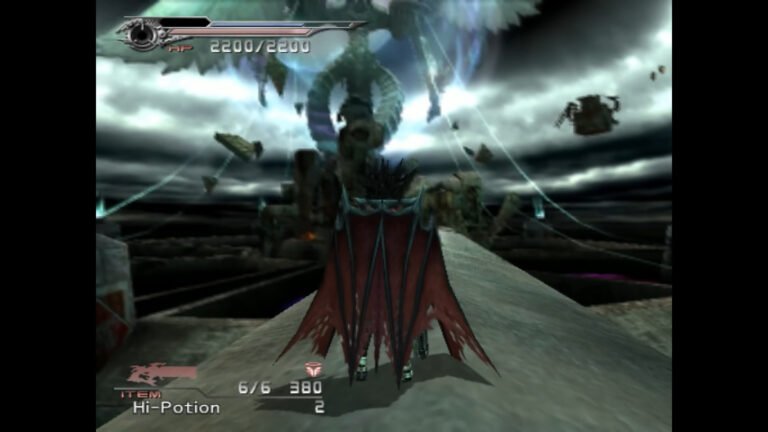
The second major change affects PlayStation 2 emulation. The announcement of version 2.4.1-beta informs that Omnidroid has abandoned the previous path and migrated PS2 emulation to ARMSX2.
With this, the developer also raised the PS2 status to beta. Even so, he acknowledges minor issues in more demanding games. Therefore, the change does not mean perfect compatibility with the entire catalog.
At the time of this publication, the main repository README still maintains an old section that cites the PCEE2 core as the PS2 backend. Since the 2.4.1-beta announcement came later and explicitly identifies the migration to ARMSX2, the documentation does not yet seem to have received all the changes corresponding to the new version.
The Allves Games is already following the evolution of ARMSX2 on Android. Recently, the ARMSX2 2.7.1 gained its own Turnip driver and new Vulkan optimizations. The integration into Omnidroid now creates another path to access this technology within a frontend that concentrates several systems.
The scanner has been remade to reduce false positives
Omnidroid 2.4.1-beta also remakes the logic used to detect games in storage. According to the developer, the goal is to reduce false positives and prevent the application from keeping the entire Libretro game database on the device when the user does not need that data.
This change directly affects library organization. In previous versions, frontends of this type could incorrectly identify files or load metadata unrelated to the systems actually in use.
Furthermore, the version adds a new screen for managing the console database. This way, the user gains more control over which systems and information are part of the installation.
Vulkan and audio receive new optimizations
The developer also cites several optimizations in the Vulkan renderer and audio buffering. The focus is mainly on games that exhibit slower or unstable performance.
Vulkan already occupies an important part of the Omnidroid architecture. The proprietary engine omni-libretrodroid offers a native Vulkan path, in addition to OpenGL ES 2, OpenGL ES 3, and software rendering. The user can select the API globally or per system.
Therefore, the improvement in this version does not represent the debut of Vulkan. Instead, Omnidroid 2.4.1-beta modifies a backend that was already part of the project's structure and attempts to improve its behavior under heavier loads.
Portrait mode and list view expand interface options
The update also responds to requests sent by the community. Now, the user can set the application to work in portrait mode and keep this preference saved. Until now, the main focus of Omnidroid was on the horizontal experience.
Additionally, the library has received a list view. The frontend already offered a cover-oriented interface and full physical controller navigation; now, the user gains another way to organize a large collection.
Public presentation of Omnidroid and its interface. The post predates version 2.4.1-beta and appears here as a visual reference for the project. Source: r/EmulationOnAndroid.
Omnidroid remains in beta
Despite the leap in features, the developer himself still treats Omnidroid as beta. He described version 2.4.1-beta as the closest step yet to a complete stable version.
The project remains available as open source on GitHub. The APK also appears in the releases area, while submissions to F-Droid and Google Play are still in progress according to the update announcement.
As the frontend gathers colors from various projects, compatibility depends not only on Omnidroid, but also on the backend used for each system. The application currently works with technologies related to Flycast, Dolphin, Azahar/Citra, melonDS, PPSSPP and other projects from the Libretro ecosystem.
For those who follow high-performance emulation on Android, Allves Games also recently published details of the ARMSX3 1.0 for PlayStation 3, another project that shows how the ARM emulation scene continues to advance rapidly.
The use of Omnidroid, as with any emulator, does not include commercial games. To run protected titles, the user must use their own legally obtained files and, when necessary, firmware or BIOS extracted from the hardware itself.
Sources: announcement of Omnidroid 2.4.1-beta by the developer; official Omnidroid repository; original project presentation; Cemu issue regarding Android porting efforts.

Pingback: ES-DE 3.5.0 melhora telas duplas e amplia o Android