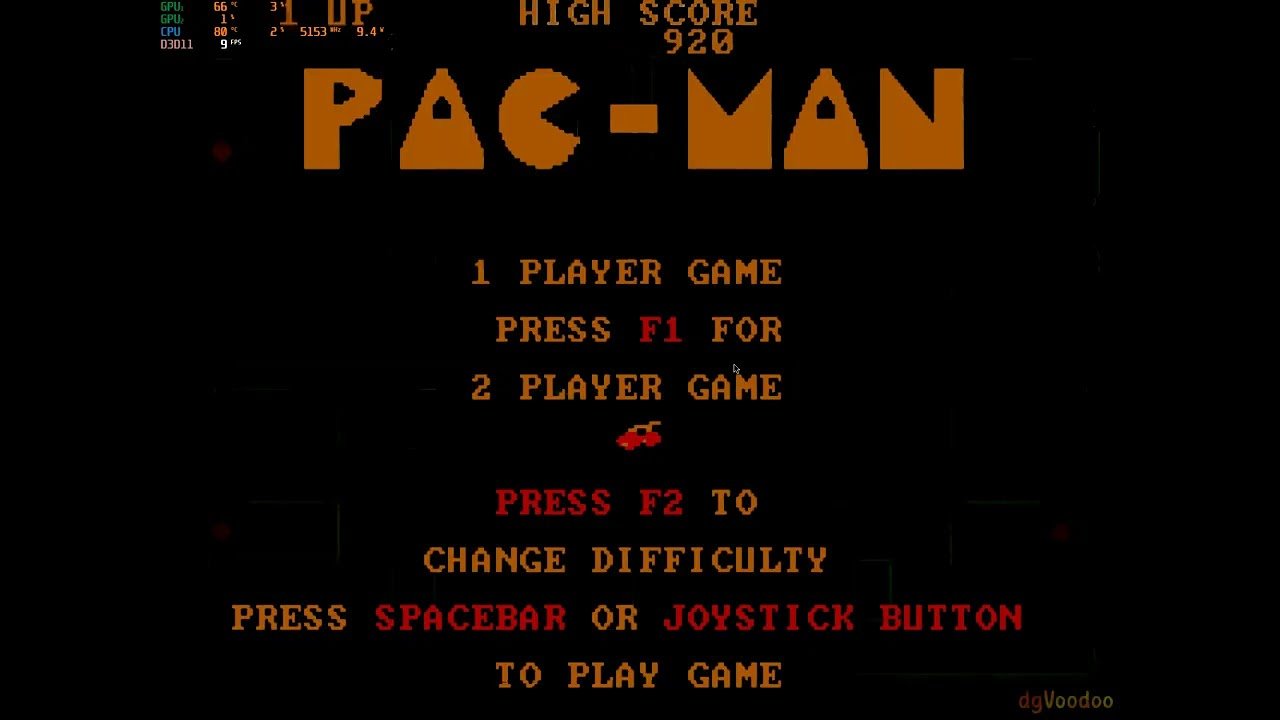
A test of DLSS 5 Pac-Man with four neural processing passes transformed the classic game's visuals into a curious demonstration: ghosts gained strange faces, one of them appeared without eyes, and part of the maze's dots disappeared in certain profiles. The experiment by creator Valery Kryzhanovsky gained technical traction on October 9 and 10, 2026, but does not represent an official Pac-Man update nor native NVIDIA support for the game.
DLSS 5 in Pac-Man shows four different results
In a video published by the author himself, Pac-Man is processed with 4x Multipass in four modes: Natural, Default, Cinematic, and Denoise. The result changes significantly from one profile to another. While some keep the maze more recognizable, others invent facial details for the ghosts and remove visual elements.
The most striking case involves the green ghost, which appears without eyes in one of the renders. In another configuration, the dots that Pac-Man is supposed to eat disappear from the image. This demonstrates why an aggressive visual alteration can even hinder the reading of essential gameplay elements.
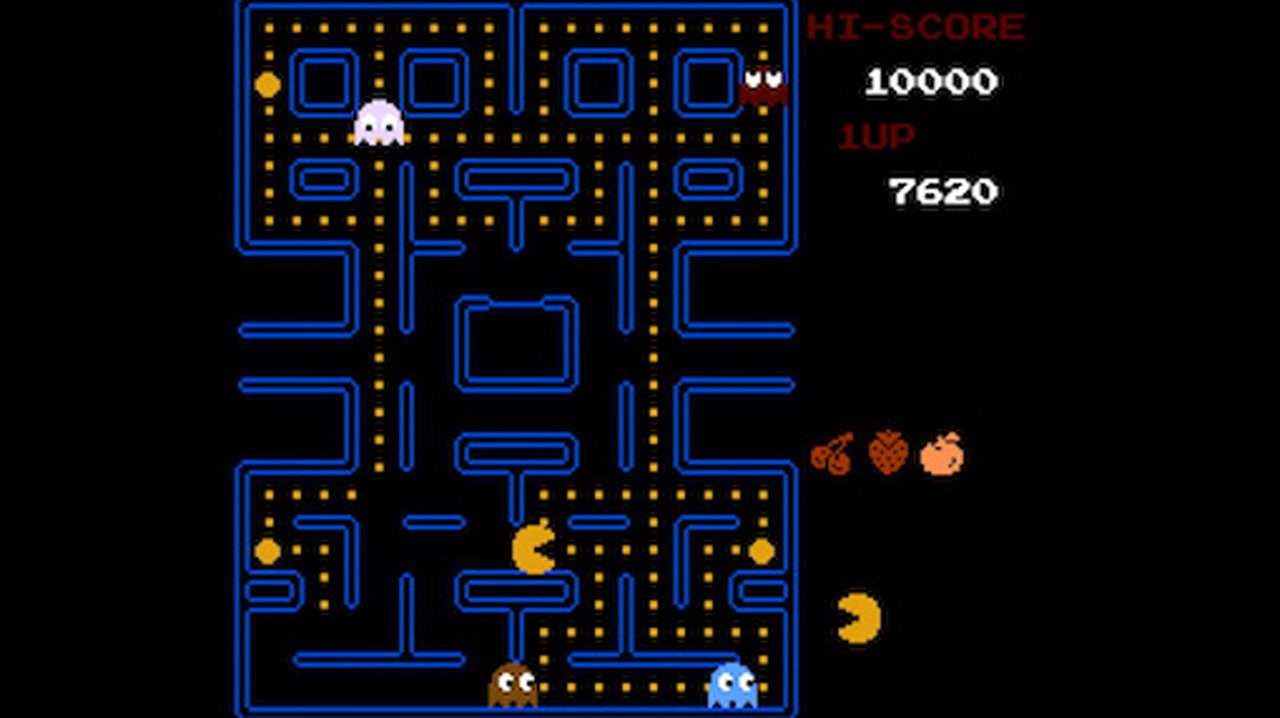
Image of Pac-Man for NES, used only as a reference for the original art; it is not a record of the DLSS 5 test. Source: Allves Games.
The experiment does not use native DLSS 5
The creator describes in his technical report on dozens of tests the use of external tools and multiple passes to apply neural rendering to old games. The technical press mentions MAME, ReShade and RenoDX in the specific demonstration of Pac-Man.
However, some sources simultaneously describe an MS-DOS version and execution in the MAME arcade emulator. Without unequivocal identification of the executable in the material itself, it is not correct to attribute the test to an exact commercial edition of the game.
The processing also does not prove FPS gain, faithful reconstruction of objects or general image improvement. On the contrary: the experiment highlights distortions and visual losses resulting from a model applied outside the conditions for which it was designed.
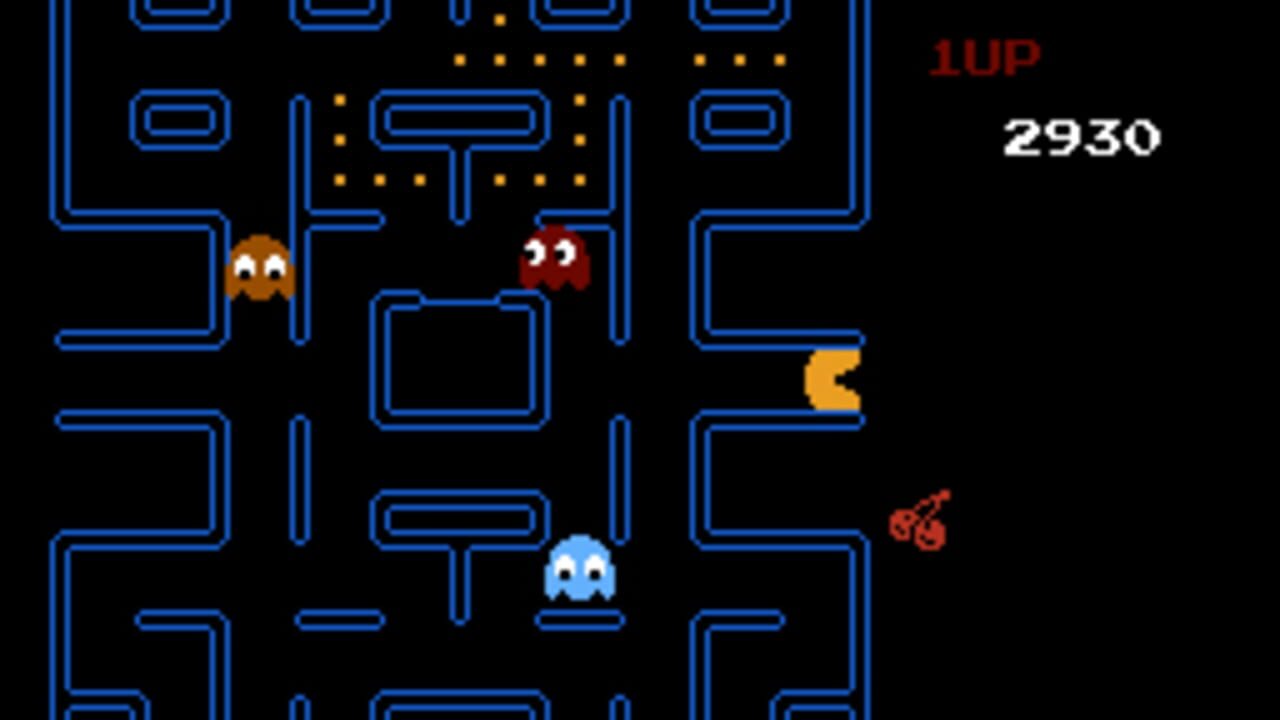
Original Pac-Man in archive image, before any neural processing. Source: The Boar.
DLSS 5 in Pac-Man: why does 4x Multipass erase details?
The method passes the transformed image on for further processing. Thus, small errors from one pass can be amplified in subsequent ones. In 2D games with simple sprites, the model has little information about depth, materials, and scene structure.
According to the author, a single pass barely alters many old titles, while multiple passes accumulate unpredictable changes. Therefore, increasing the number of cycles does not necessarily mean improving image quality.
It is different from the previous test with Duke Nukem
The Allves Games has already published the experiment with 1991's Duke Nukem using DLSS 5 Multipass in DOSBox. Although the person responsible for the demonstrations is the same, the Pac-Man video adds its own comparison of four modes and shows flaws in fundamental elements of the scene.
There is also no direct relation to the native recompilation of Pac-Man for Windows, which involves another project. In this case, the test deals only with external visual processing, without the release of a new game or official installer.
Finally, the experiment serves as an example of the limitations of neural rendering on 2D images. The demonstration is by the creator; Allves Games did not perform an independent benchmark nor does it recommend unofficial files or leaked libraries.
Sources: original video of the experiment; author's report; Tom's Hardware.