
The Neural Lens 0.6.0 arrived on October 4, 2026, with a new engine to apply DLSS 5 Neural Rendering in fullscreen. The update replaces 0.5.1 as the project's current reference and aims to reduce processing overhead without requiring integration inside the app displayed on screen.
According to the official changelog, the new engine captures the monitor directly on the GPU, processes a copy of the image through the neural stack, and blends the result with the original image. Furthermore, fast mode dispenses with fullscreen ReShade, although the previous engine remains available as a fallback and for windows.
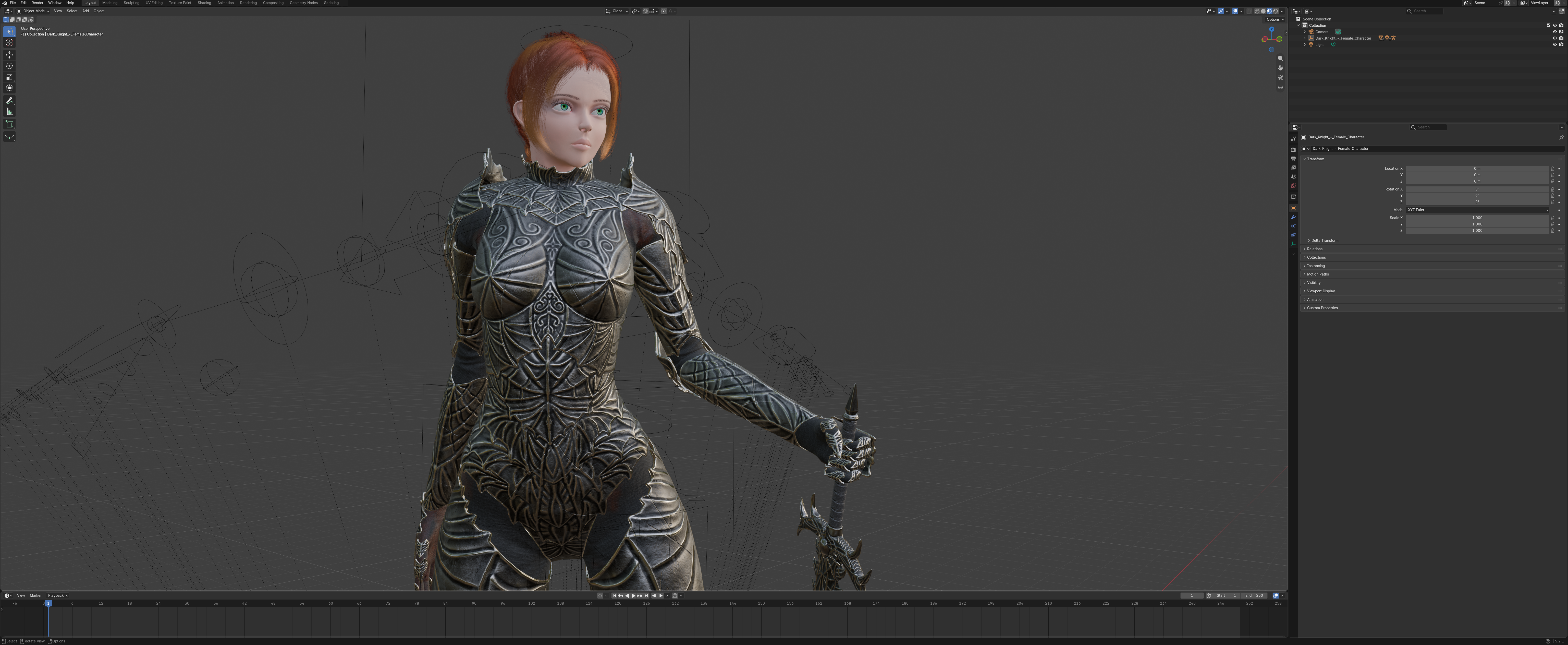
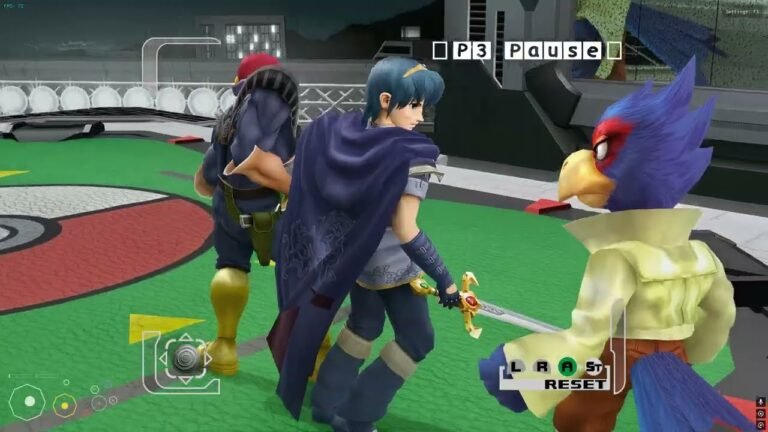
Scene used by the project itself before neural processing. Image: Leaps-Bounds/GitHub.
Neural Lens 0.6.0 creates fast engine for fullscreen
The fast mode works with five quality levels and reduces the working resolution when the image exceeds 2560×1440. In practice, this strategy decreases consumption and GPU load, but the more aggressive levels can remove some of the details added by the neural network.
In a test published by the developer with an RTX 5090 and a 6144×2560 monitor at 120 Hz, the Balanced mode showed 115 new images per second in a synthetic motion load. On the other hand, these numbers belong to the author's specific scenario and do not equate to a universal gaming benchmark.
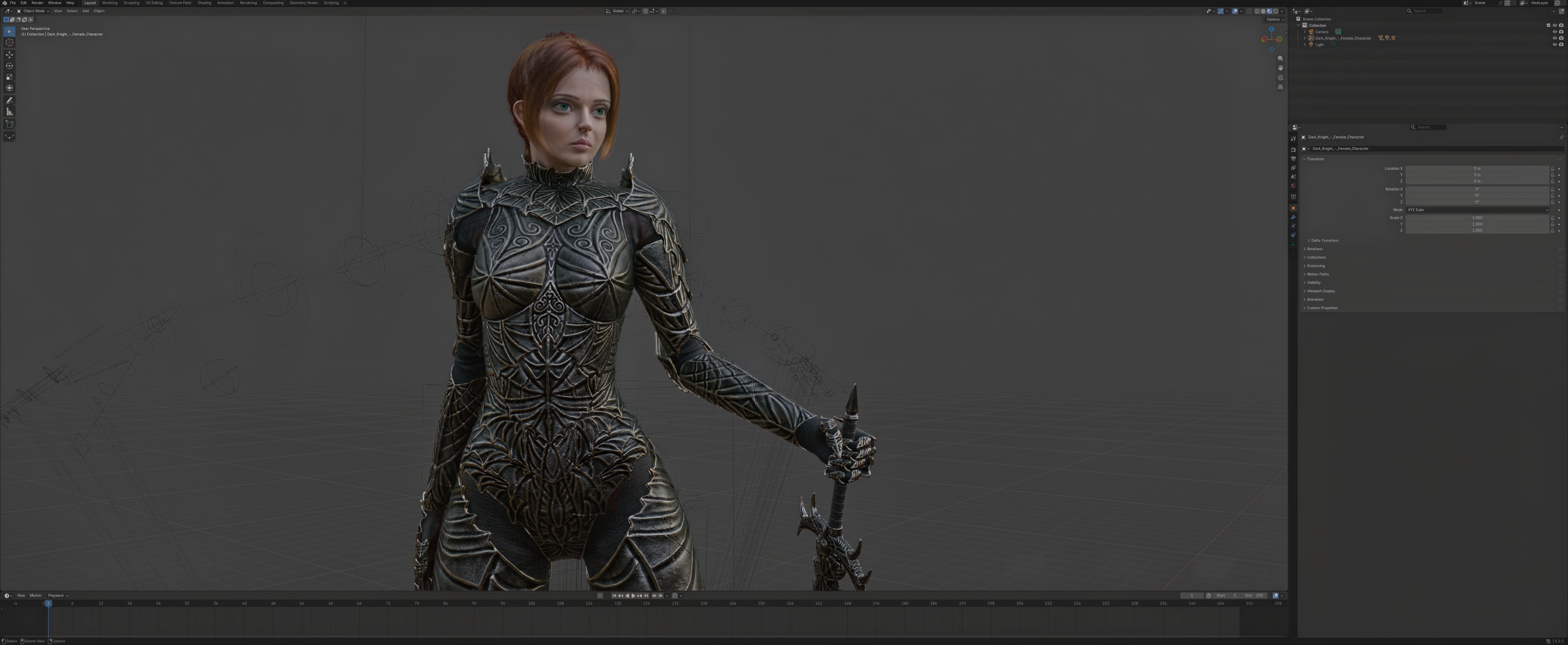
The same scene after Neural Rendering, as per the project's official example. Image: Leaps-Bounds/GitHub.
Neural Lens also gets an FPS limit and shortcuts
Version 0.6.0 adds 60 or 30 FPS limits, as well as supporting custom values between 10 and 240 FPS via the configuration file. Sothe user can leave GPU headroom for the neural lens to keep up with the displayed content, especially when a game already utilizes almost the entire graphics card.
Fullscreen also gets its own shortcuts: F7 opens the lens menu, F8 shows the Neural Rendering settings, F9 toggles the effect on or off, and F10 controls the metrics panel. Meanwhilethe project maintains profiles, multiple passes, screenshot capture, and Ready mode.

Official visual identity of the project. Image: Leaps-Bounds/GitHub.
Project remains experimental
The project remains in beta and now uses the PolyForm Strict 1.0.0 license, while releases up to 0.5.1 remain under GPL-3.0-or-later. Therefore, the license change and the new engine make 0.6.0 a bigger milestone than 0.5.1 which initially entered the editorial queue.
, the Allves Games also follows other community routes of Neural Rendering, such as three-dlss-nr in Three.js/WebGPU and tests of DLSS 5 on Radeon GPUs. Still, the tool stands out for acting as a lens over the screen content, without directly modifying the target program.
Finally, actual results depend on the GPU, resolution, number of passes, and how much the foreground application is already using the graphics card.
Sources: Neural Lens — GitHub; official changelog.