ARMSX3 1.0.6.1 was released on September 30, 2026 as a hotfix for version 1.0.6. The update adds CHD disc image support, reduces the cost of Frame Generation, and introduces advanced controls for Turnip drivers on devices with Adreno GPUs.
The project is an independent fork based on RPCS3 source code and adapted for Android ARM64. Therefore, it does not represent an official PlayStation 3 emulator version for desktop computers.
Revision 1.0.6.1 arrived about an hour after the main release. It exposes a UBWC hint key and allows configuring driver variables with prefixes like FD_, TU_, IR3_, and MESA_. The changes take effect on the next launch.
https://www.youtube.com/watch?v=UUc2nN_ivLkARMSX3 1.0.6.1 adds CHD support
Version 1.0.6 introduced the ability to open PS3 CHD disc images via the library, the Launch Game command, and disc swapping. The emulator accepts files created with chdman's createdvd and createcd modes. Additionally, an encrypted CHD can use its .dkey file just like an ISO.
According to the project's own examples, Demon's Souls dropped from 8.76 GB to 6.25 GB, while Bleach: Soul Resurrección went from about 4 GB to 1.8 GB. These numbers are compression examples reported by the developer, not a guaranteed rate for all games.
The library also gained automatic rescanning. Thus, replacing an ISO with a CHD or removing a file should no longer leave an old tile until the user triggers a manual refresh.
Promotional art for ARMSX3 for Android ARM64, used as a visual reference for the project. Image: Joking Joystick.
Frame Generation becomes lighter
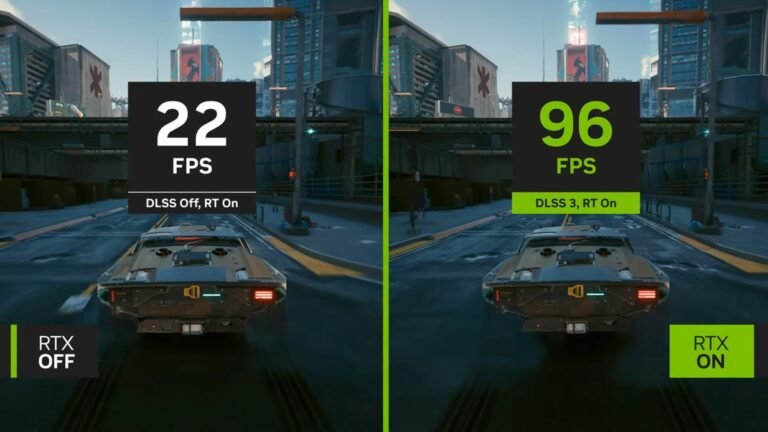
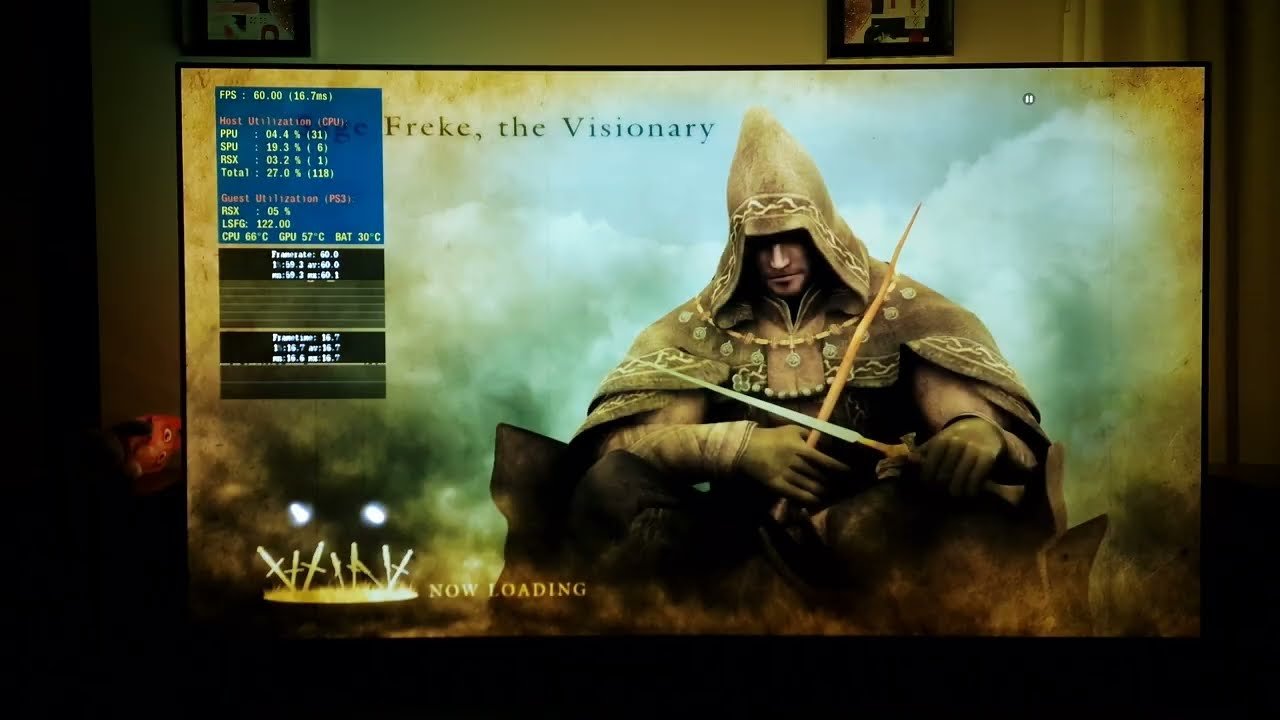
ARMSX3 now processes only the image produced by the game and calculates motion at 432 lines before generating the intermediate frame. In the developer's example on an Odin 3 at 720p, GPU time dropped from 3.0 ms to approximately 1 ms.
Therefore, the correct phrasing is that the cost measured by the project was nearly three times lower in that specific test. The actual gain varies depending on the game, resolution, GPU, driver, and the device's thermal limit.
The code also fixes duplicated frames when a game already uses frame generation and improves the diagnostics displayed when the feature fails. In addition, errors when writing the shader cache now receive clearer handling.
https://www.youtube.com/watch?v=IqoN08FDIm0Less stutter on SPURS loads
Another change affects games that stress the PlayStation 3's SPURS system. Now, an SPU thread that waits for too long yields the CPU core instead of remaining in an active loop. In Spider-Man: Web of Shadows, the project claims that seconds with stutter equal to or greater than 10 ms dropped from about half to approximately one in every ten.
The game profile also disables Accurate SPU Reservations by default, which removed a good portion of the pauses during movement in the developer's test. The option remains available for A/B comparison.
16-byte atomic operations received another path. On Snapdragon 8 Gen 1 or newer devices, the emulator can use simple loads and stores with LSE2. The log indicates LSE2-yes or LSE2-no, which helps with diagnostics.
The previous version had already improved online compatibility in Demon's Souls in ARMSX3 1.0.5. Before that, ARMSX3 1.0.4 fixed FSR and SGSR on Mali, while version 1.0 marked the consolidation of the interface.
Distribution still requires attention
The Play Store closed test has ended, but the post states that production access is still awaiting approval. Therefore, the version should not be treated as publicly available on the store. The official channel continues to offer separate APKs by Android level and ARMv8 architecture.
As the project remains experimental, compatibility and performance vary considerably. ARMSX3 also does not include firmware, keys, or games; the user must provide legally obtained data.
Sources: official release of ARMSX3 1.0.6.1, official release of ARMSX3 1.0.6 and official ARMSX3 page.