
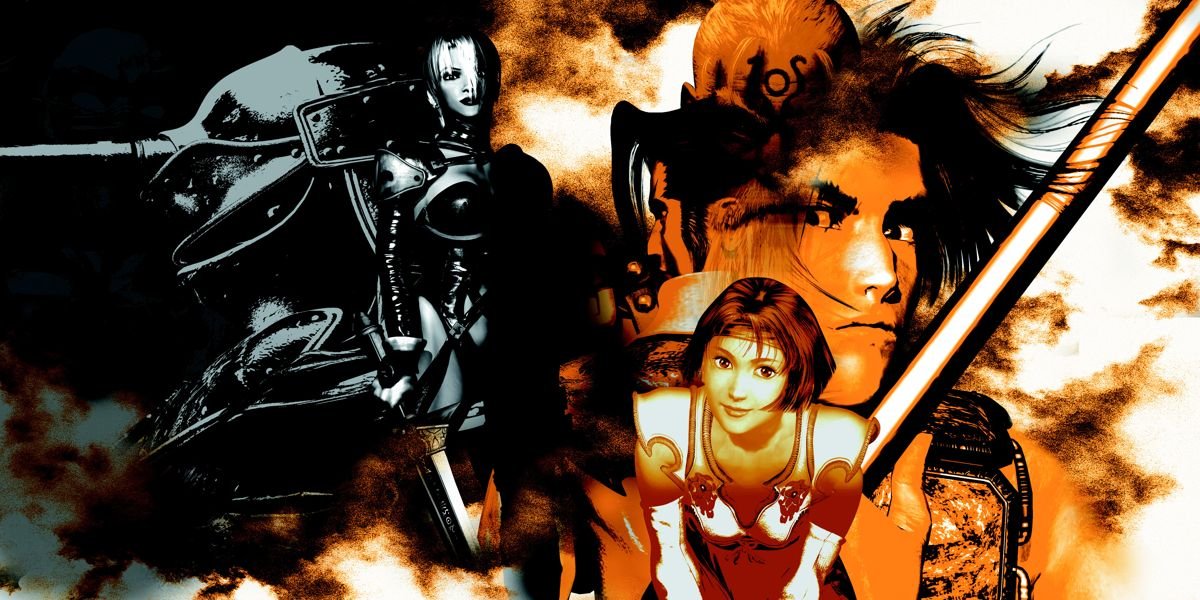
The first Dreamcast Soulcalibur, released in 1999, received an experimental native recompilation project for PC. Developed by Daniel Gomes Vieira, Soulcalibur Recompiled uses the dreamcomp framework to translate the console's SH-4 code into C++. According to the documentation, the program already reaches menus and combat, in addition to recording audio and save system activities.
The project was publicly announced on October 8, 2026, when the developer added their repository to the documentation for dreamcomp. However, there is no release with a ready-to-use installer yet. For now, the implementation is aimed at Windows and requires manual compilation.
Dreamcast's Soulcalibur gets a native recompilation for Windows
The open-source project uses static recompilation to transform the original Hitachi SH-4 processor instructions into executable code on the computer.
In addition, dreamcomp provides a layer that reproduces Dreamcast graphics, sound, and disk access services. This way, the program does not rely on a conventional emulator running the entire console system during matches.
However, the implementation still needs to reproduce certain functions of the original hardware. Therefore, native recompilation does not mean that all Dreamcast functionality has been eliminated or rewritten.
The project uses resources developed from dream-recomp and Flycast-related technologies. Thus, it leverages previous reverse-engineering research to handle the console's components.
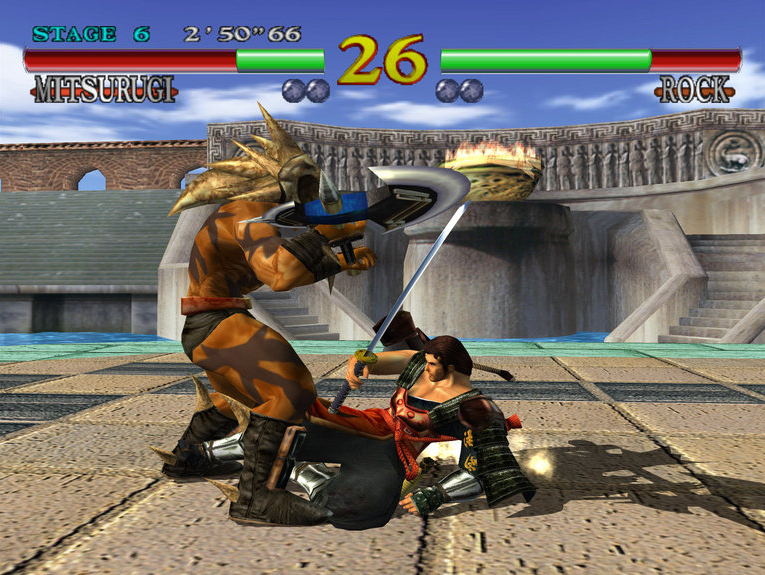
Mitsurugi and Rock fighting in the original Dreamcast version of Soulcalibur. Source: The Fighters Generation. Historical image, not a capture of the experimental port.
The author also established the exact identification of compatible files. The recompilation was prepared for the North American edition of Soulcalibur, with product code T1401N and version V1.000.
Menus and fights already appear in developer tests
The project's technical logs indicate that Soulcalibur Recompiled can already advance from initialization to the menus and reach combat situations.
In addition, the developer documented automated tests with different characters, stages, and commands. These checks helped find functions that the recompiler still needed to translate.
The code also contains specific adjustments for interface elements, such as health bars, fighter portraits, and indicators positioned over the arenas.
However, the planning document still classifies the completion of an entire campaign, the versus mode, and full save tests as ongoing steps. Therefore, there is no proof that all fights and modes work without errors.
Soulcalibur Recompiled already records audio and virtual memory card
The program also implements the operation of a virtual memory card, equivalent to the system used by the Dreamcast to store game data.
According to technical documentation, the project has already recorded the creation of a save file during boot tests. However, the developer has not yet confirmed a complete validation of loading this data during a campaign.
In audio, technical measurements identified musical activity and sound effects. However, the planning itself still requested an auditory check by the person responsible for the project.
Thus, the advancement of sound and save systems represents technical progress, but does not guarantee full compatibility with all gameplay situations.
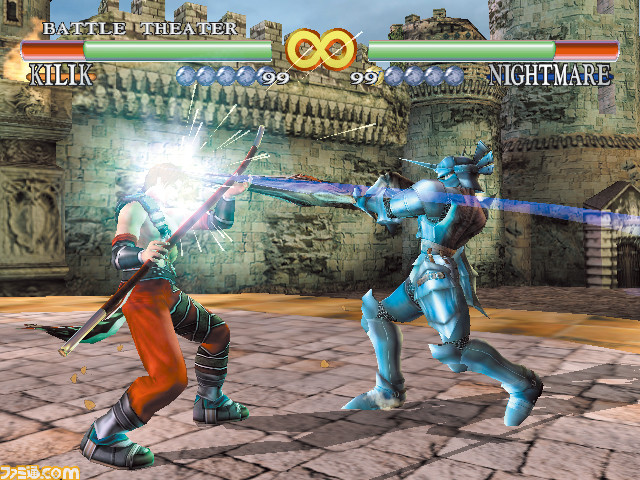
Nightmare appears during a fight in the original Dreamcast edition. Source: Famitsu. Illustrative capture, not a demonstration of Soulcalibur Recompiled.
The developer also implemented keyboard and controller settings, with remapping available via the F1 key. Thus, they seek to adapt the experience to modern computer input methods.
Port offers increased internal resolution
Among the documented graphic features is the ability to increase internal resolution by up to four times. In addition, the program offers modes to fit the image to the window.
The user can fill the visible area with edge cropping or maintain the original proportions using other adjustment modes.
The goal is to present stages and characters with higher definition on modern screens. However, there are still no independent benchmarks to prove the port's performance on different GPUs.
Widescreen 16:9 still causes crashes during fights
Despite graphical advancements, widescreen support requires caution. The official README states that the 16:9 anamorphic mode is experimental and currently may cause crashes during combat.
Therefore, this option remains disabled by default. The developer still needs to fix positioning and interface behavior issues before recommending the feature.
In addition, certain game screens use two-dimensional elements that require different treatment from three-dimensional objects. This includes menus, indicators, and images that were originally prepared for the 4:3 aspect ratio.
Therefore, the resolution increase should not be confused with stable widescreen support in all phases of the game.
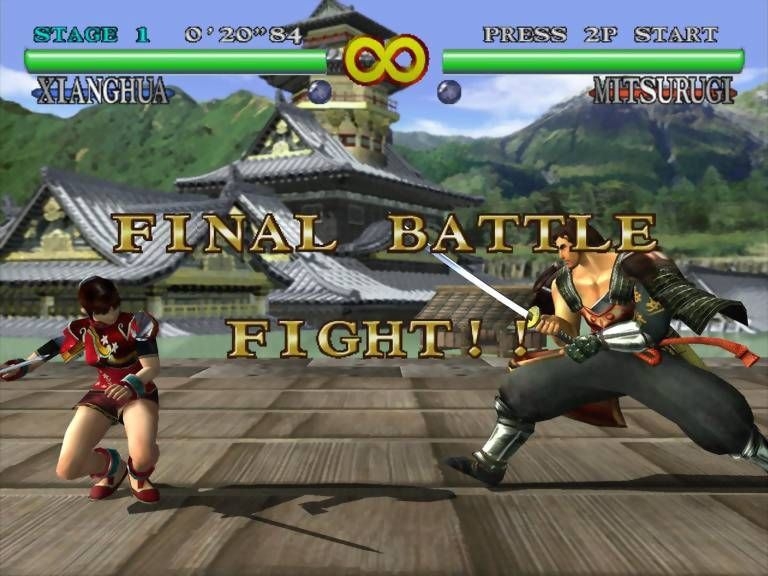
Mitsurugi in the original edition of Soulcalibur for Dreamcast. Source: TheGamesDB. Illustrative image of the original game, not the PC recompilation.
Soulcalibur Recompiled does not yet have a fully validated modern presentation mode. However, the repository shows that the developer continues to investigate adjustments for the HUD and the different stages.
What is the difference from Soulcalibur II Recompiled?
Allves Games has already featured RingOut 1.6.6, a project that brings Soulcalibur II to Windows. However, this initiative is independent and is based on the GameCube edition of the second game.
Meanwhile, Daniel Gomes Vieira's Soulcalibur Recompiled works with the first Soulcalibur, released for the Dreamcast in 1999. In addition, it uses dreamcomp and a specific implementation of the Sega console's services.
Therefore, the two ports should not be confused. They have different source games, platforms, and stages of development.
How to get and compile Soulcalibur Recompiled on PC
Currently, the developer offers the project's source code on GitHub. However, there is no public release with a ready-to-install executable. Therefore, the procedure requires compilation knowledge.
The user also needs to provide a legitimate image of their own North American copy of Soulcalibur for the Dreamcast, identified as T1401N V1.000.
- Access the official Soulcalibur Recompiled repository and check its README.
- Download the project's source code and the dreamcomp framework, including the necessary submodules.
- Prepare the dreamcomp build tools on Windows by following the official instructions.
- Add the Soulcalibur Recompiled project to the framework's ports folder.
- Separate the files of your own North American edition of the game in CUE/BIN, GDI, or CHD format.
- Run the preparation process with the script
tools/dc.py, indicating the disk image. - Then, use the dreamcomp build command to generate the executable.
- Start the port using the framework's execution command and test the control and video options.
The README presents the following commands as a reference, based on an already prepared dreamcomp installation:
python tools/dc.py setup ports/soulcalibur-recomp --disc "D:\discs\Soulcalibur (USA).cue"
python tools/dc.py build ports/soulcalibur-recomp
python tools/dc.py run ports/soulcalibur-recomp --window
However, the commands depend on the folder organization and the framework's requirements. The application checks the disc identity and may refuse editions different from the one used during development.
The button above opens the official repository. It does not represent the download of a ready-to-use installer, because no public binary package has been confirmed.
Linux, Mac and Android are still in the plans
The README mentions Linux, macOS, and Android as planned platforms. However, as of the last check, the developer documented Windows as the current target.
Therefore, it is not correct to announce ready versions for Steam Deck, Macs, or Android mobile phones. There are also no official download buttons for these platforms at this stage of development.
In addition, the project still needs to complete compatibility, stability, and gameplay mode functionality checks.
Experimental port does not yet replace the original version
Soulcalibur Recompiled demonstrates the potential of static recompilation for Dreamcast games. Furthermore, it shows how reverse engineering work can allow old code to run on modern computers.
However, current limitations prevent treating the project as a complete release. The developer has not yet proven a flawless full playthrough, and features like widescreen remain experimental.
The project is independent and has no official affiliation with Bandai Namco or Sega. Finally, those interested can follow the development and any future releases directly via GitHub.
Sources: GitHub — code and official documentation; plan and testing stage; technical documentation; dreamcomp framework.
Pingback: Wayne Gretzky's 3D Hockey ganha port nativo para PC
Pingback: Rock Band 3 no Steam Deck: renderização nativa chega a 60 FPS