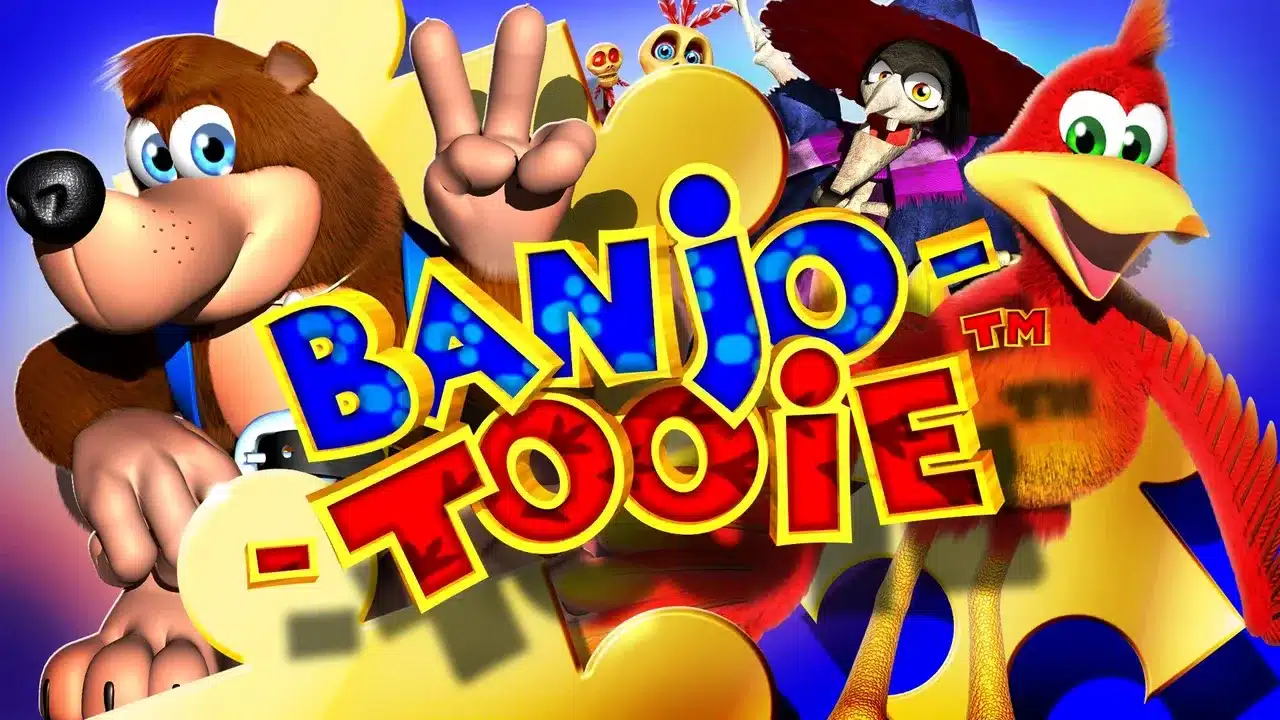
Banjo-Tooie Recompiled received the Alpha 3 version of a new unofficial native port of the Nintendo 64 classic for Windows on September 30, 2026. The project uses static recompilation with N64Recomp and rendering via RT64, meaning it does not run the game through a traditional emulator. The public build already allows playing on Windows x64, although the developer still treats the project as experimental.
The first public Alpha appeared on September 28. Since then, the developer has released three builds in a few days. The Alpha 3 version focuses work on animation, camera, and graphical effect fixes. In addition, the project offers widescreen, resolution and frame rate options, modern controls, and tools aimed at testing and speedruns.
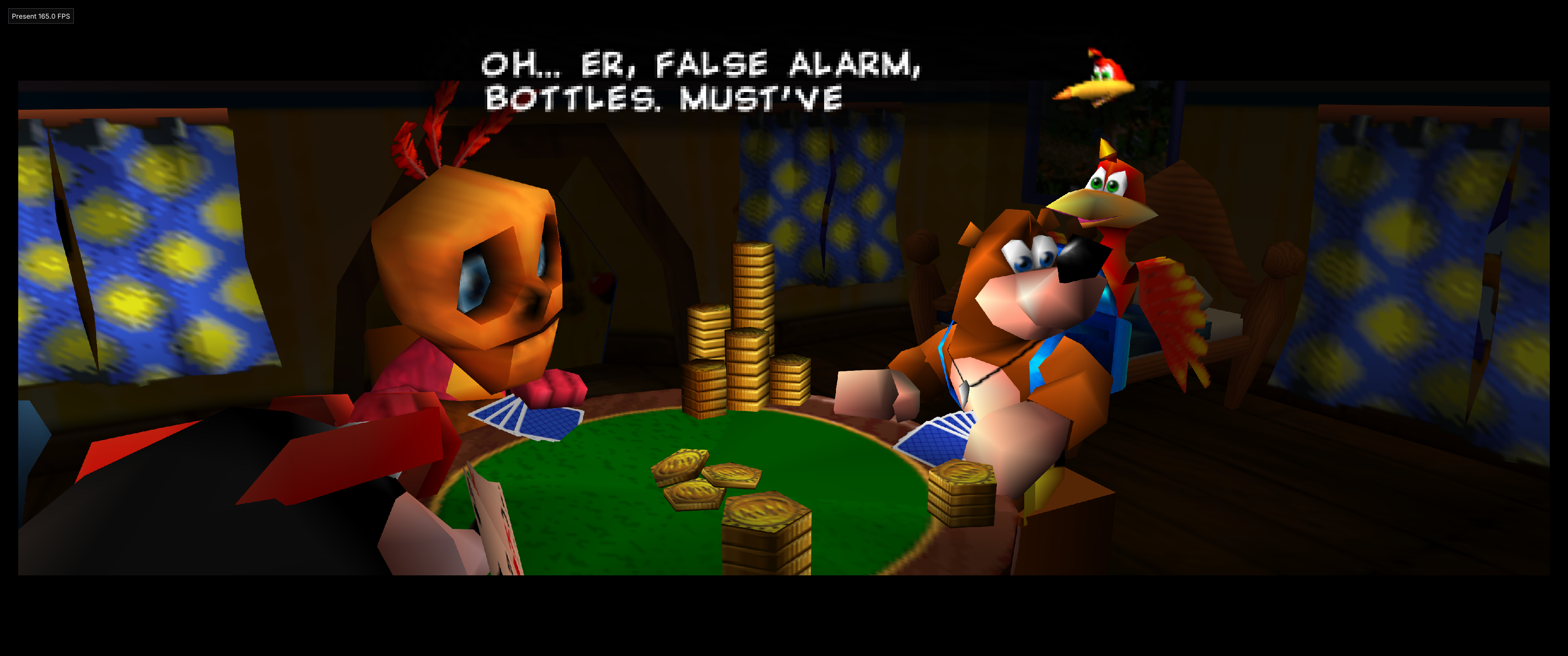
Opening scene running via Banjo-Tooie Recompiled. Image: some-scurvy-dog/BanjoTooieRecompiled.
Banjo-Tooie Recompiled turns N64 code into a native port
The project uses the N64Recomp to pre-translate the Nintendo 64 MIPS code. After this step, the computer executes recompiled code instead of interpreting the original instructions in real time as a conventional emulator would.
Video by Allves Games that brings together the port and recompilation news covered in this article.
RT64 handles the rendering. This way, the port manages to integrate features better suited to modern computers while preserving the game's original logic. The project also uses the reverse engineering work from the Banjo-Tooie decompilation as a basis for symbols and other technical information.
This model resembles other recent preservation projects followed by Allves Games. It Conker Recompiled also uses static recompilation to transform a Nintendo 64 game into a native executable. Projects like Foxhollow take a different path, as they compile code reconstructed through decompilation.
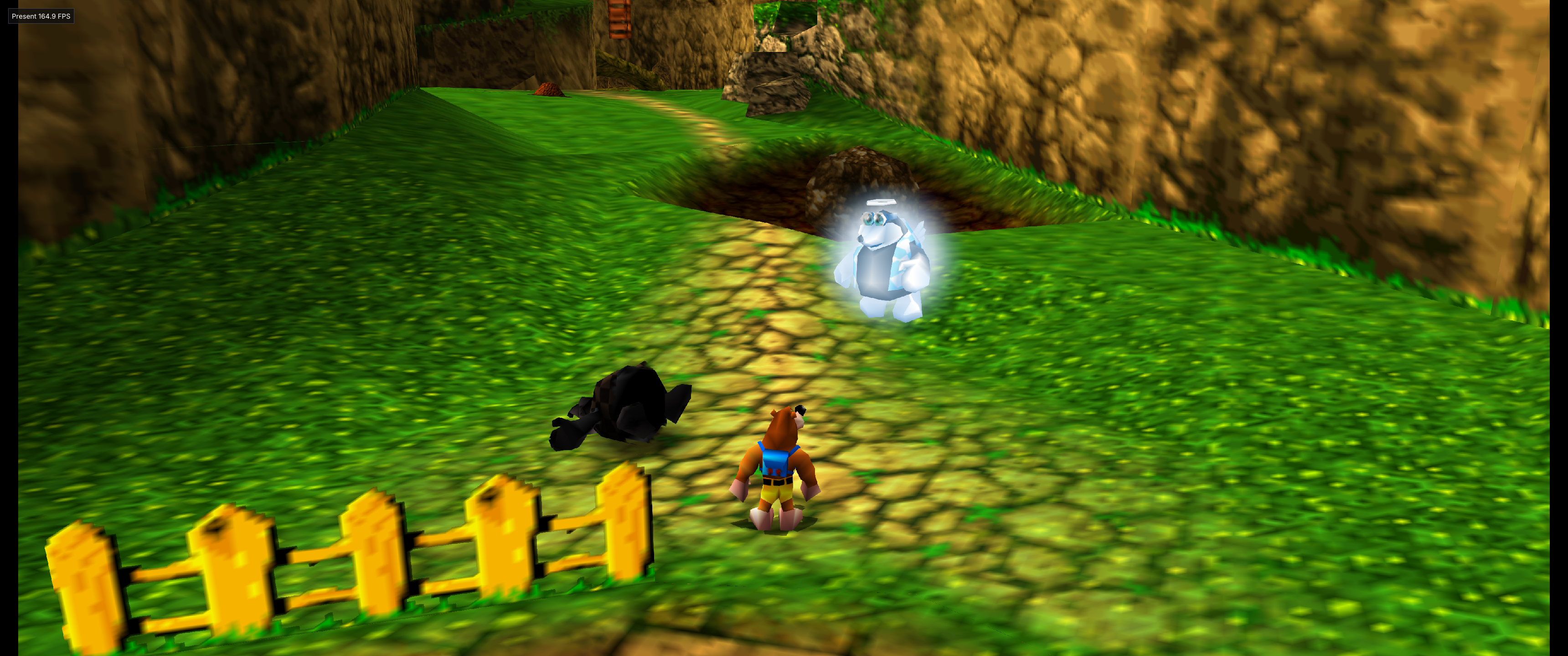
Banjo and Kazooie in Spiral Mountain in the recompiled version. Image: some-scurvy-dog/BanjoTooieRecompiled.
Alpha 3 fixes camera, animations and effects
Alpha 3 fixes camera jitter near walls. The developer also adjusted animations that ran at a reduced frequency on the aliens and rats in Witchyworld, as well as eliminating shaking in Banjo's backpack and objects carried inside it.
The feathers received several fixes. The update reduces jitter, eliminates feather overlapping and prevents these objects from disappearing too soon when approaching the screen edges. In addition, the team fixed mines with incorrect graphical behavior in the submarine minigame in Atlantis.
Another adjustment affects the wall button displayed during the Saucer of Peril scene. The update also creates separate files for the diagnostic captures triggered by the F4 key. Thus, a new log does not automatically overwrite the previous one.
Even with the fixes, the release still documents known issues. Menu overlays may glitch during input, while shadows may lose coverage when crossing inclined surfaces.
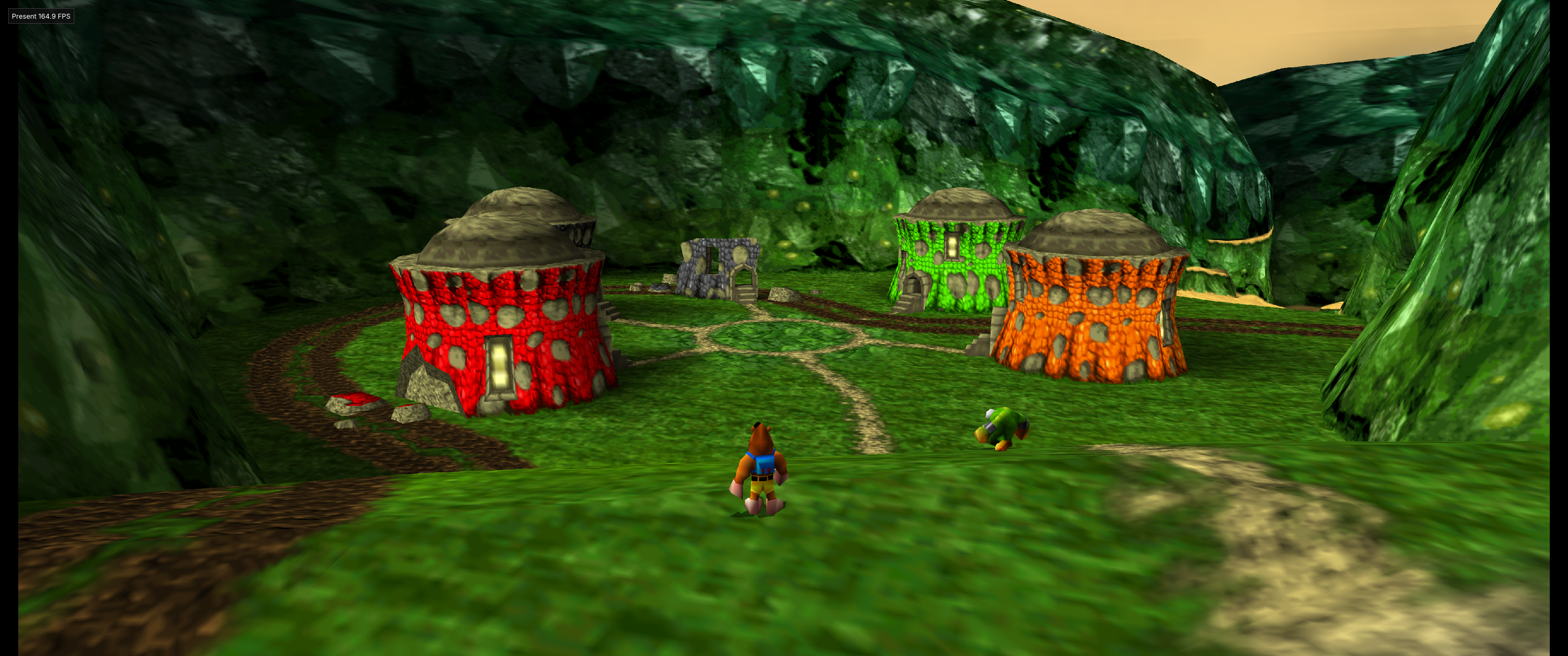
Jinjo Village rendered by the new native port for Windows. Image: some-scurvy-dog/BanjoTooieRecompiled.
Port requires its own copy of Banjo-Tooie
The repository does not distribute the game or its assets. To start the port, the player needs to provide their own compatible copy of Banjo-Tooie. At this stage, the launcher specifically accepts the NTSC-U 1.0 ROM in big-endian format .z64 and validates the file before starting.
After that, the program offers support for keyboards and controllers, remapping, vibration on compatible devices, and adjustments for presentation, resolution, and antialiasing. There are also progression tools and a separate session called Private Practice, which includes a persistent save state slot for training.
The developer himself emphasizes that full completion of the game and broad compatibility across different PC configurations have not yet been established. Therefore, the availability of the Alpha does not mean the port is ready to replace other mature ways of running Banjo-Tooie.
Linux, macOS, Android, and iOS do not yet have a build
At this time, public distribution targets Windows x64 computers only. The README explicitly states that builds for Linux and Apple Silicon/macOS are not yet ready.
There is also no official version for Android, iPhone, or iPad. Consequently, there are no APK, IPA, TestFlight, or App Store versions, nor any published Android, iOS, or iPadOS requirements. The project also does not document mobile support for Vulkan, OpenGL ES, Metal, touch controls, or tested ARM/ARM64 hardware.
Therefore, any future attempts to run the Windows program through a compatibility layer on mobile phones should not be confused with a native port for Android or iOS. Until the project publishes its own mobile target, official support remains restricted to Windows x64.
Project is still in an early phase
The pace of the early releases shows that work remains active. Alpha 1 was released on September 28, Alpha 2 arrived the following day, and Alpha 3 was published on September 30. However, the rapid fixes also reinforce the experimental nature of the implementation.
The author also reports that artificial intelligence tools generated substantial parts of the code and assisted with engineering and review. According to the documentation, the person in charge acts primarily in directing development, testing, and behavior verification.
For preservation, the most important point is that Banjo-Tooie now has yet another path for native execution on modern hardware. Unlike a commercial remake or remaster, the project attempts to preserve the original game's logic while adapting its execution to a current environment. The next relevant delta will be a more mature version, complete campaign validation, or the official arrival on new platforms.
Sources: Banjo-Tooie Recompiled — official repository; Alpha 3 — official release; N64Recomp.