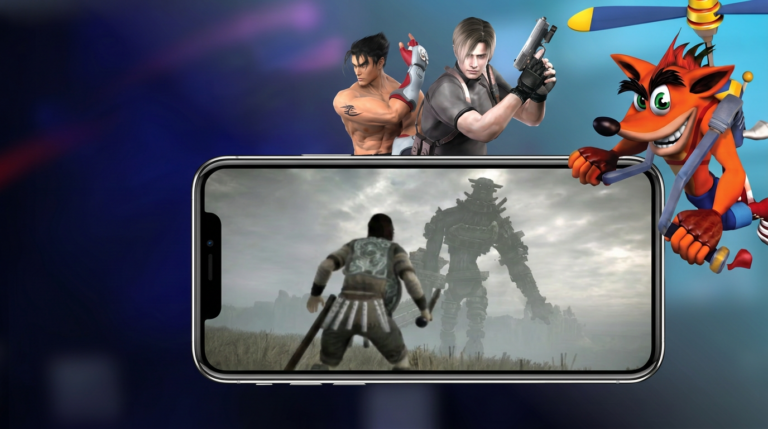

The ARMSX2 RAISR received new 2x and 4x texture upscale modes on Tuesday, October 6, 2026. The implementation processes textures in the background, integrates the result into the emulator's cache, and offers Sharp and Smooth options on Android and the Qt interface.
Furthermore, this new feature arrives just a few days after ARMSX2 2.7.2 improved Frame Generation and reduced stutter. Now, the focus of this change is on the sharpness and smoothing of PlayStation 2 game textures.
ARMSX2 RAISR offers 2x and 4x modes
The commits add three options: 2x Sharp, 2x Smooth, and 4x Smooth. In 4x mode, ARMSX2 chains two 2x upscaling passes for textures up to 512 pixels; above this limit, processing remains at 2x.
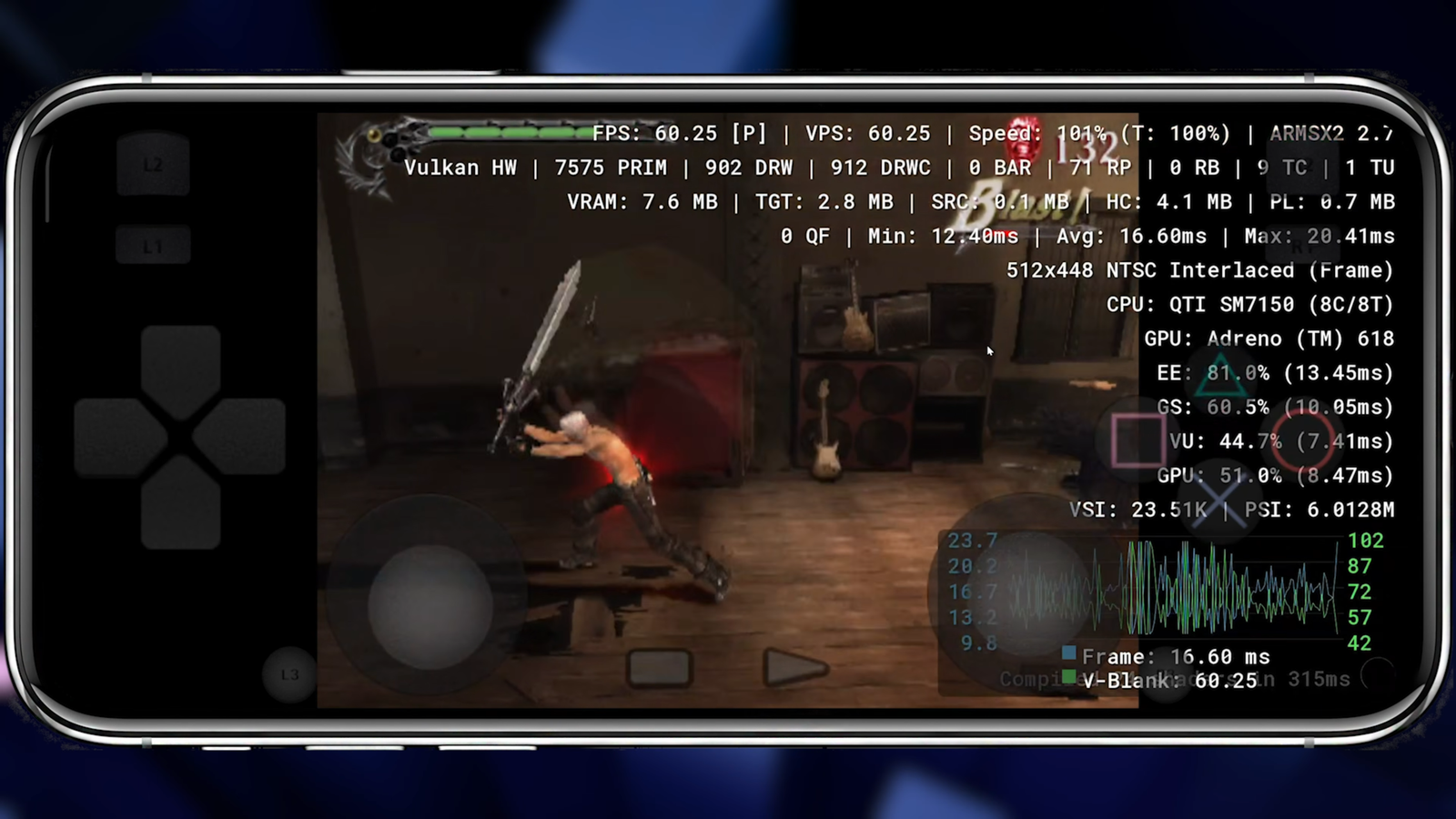
ARMSX2 running a PlayStation 2 game; the new feature acts on the textures loaded by the emulator.
According to the project's code, the work happens in the background to prevent each texture from blocking rendering while it is being upscaled. Furthermore, the result enters the texture cache to reduce repeated processing.
ARMSX2 RAISR uses clamp to reduce artifacts
Another change adds per-texel clamp to the processing. Thus, the implementation attempts to prevent filtering from using samples from improper neighboring areas and generating artifacts at texture edges.
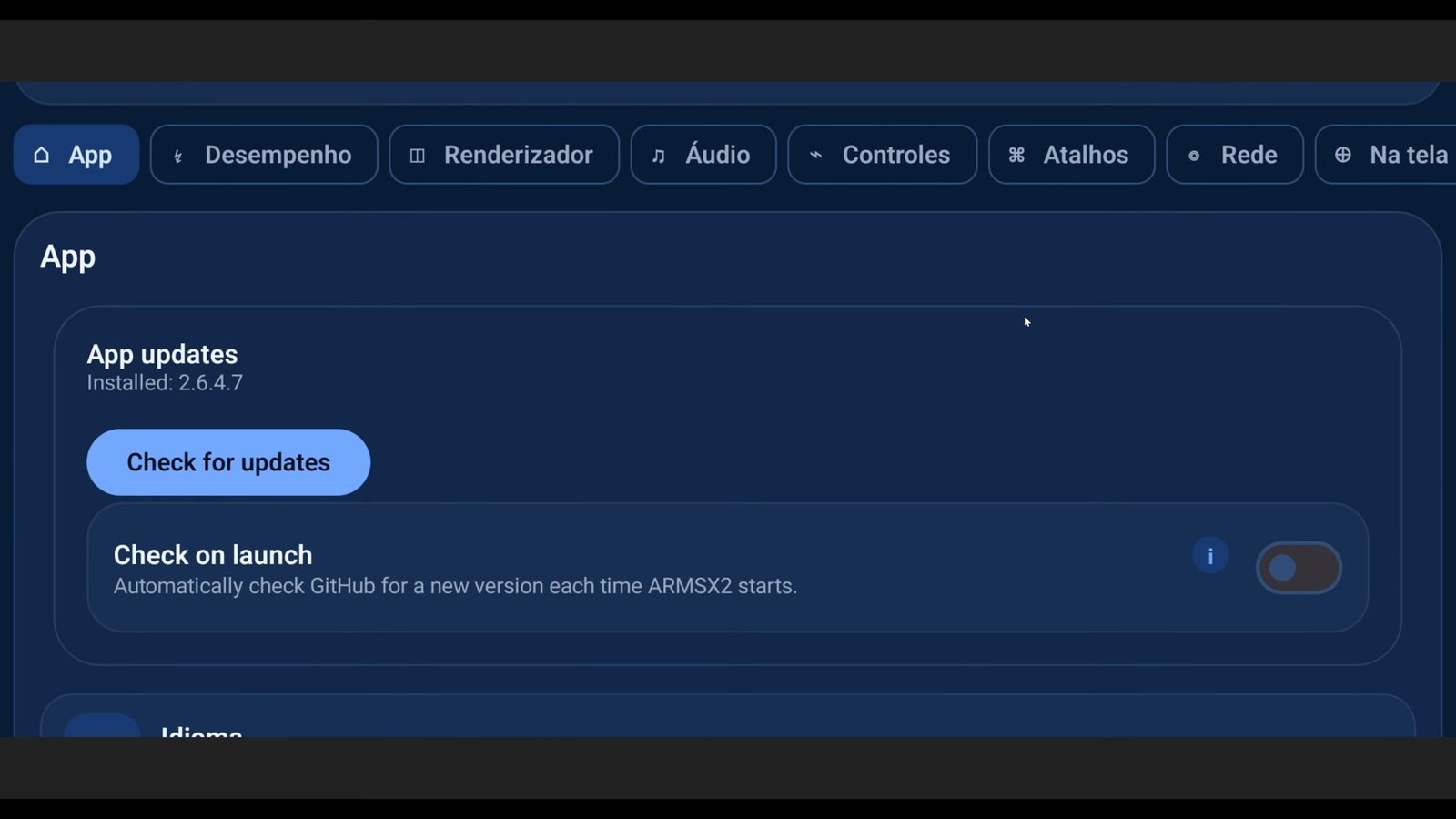
ARMSX2 settings interface on Android.
On the other hand, the 4x mode demands more CPU and memory because it executes two scaling steps. Therefore, the visual gain may come at a higher cost on modest devices, especially with many processed textures.
Feature also appears in the Qt interface
The new controls are not restricted to the Android interface. The integration also covers the Qt interface used in compatible builds, keeping the RAISR options available in the same core of the project.
Meanwhile, those using the emulator on Android can check our guide to update ARMSX2The project requires a BIOS obtained from the user's own PS2 console and games sourced from legally acquired copies.
In short, the new upscaling adds an important visual option without replacing the existing internal resolution features. Even so, the practical impact depends on the game, the original texture, and the device's performance.
Sources: commit RAISR, integration and modes and texel clamping.