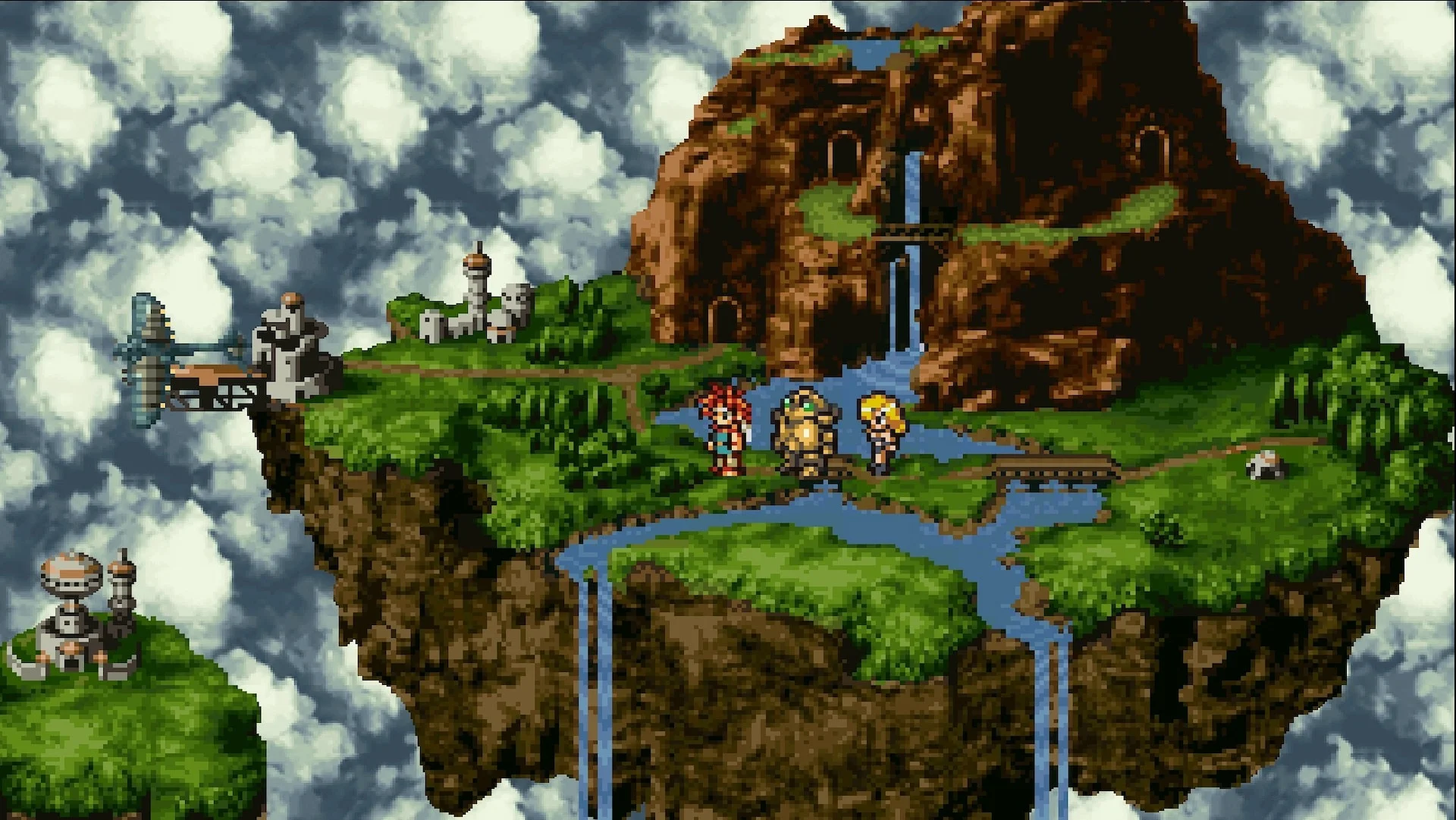
The code reconstruction of Chrono Trigger on the SNES has reached a milestone in the project ChronoRET. According to maintainer ThisIsAkill, the survey revised on October 14 identifies 249,251 bytes of reachable 65816 code and classifies this set as reconstructed with byte-for-byte matching.
However, the “100%” applies to this scope defined by the survey, and not to all parts of the cartridge or to a new PC version ready to play. Furthermore, the author keeps the revision of the routines ongoing and describes the work as a personal study and preservation project.
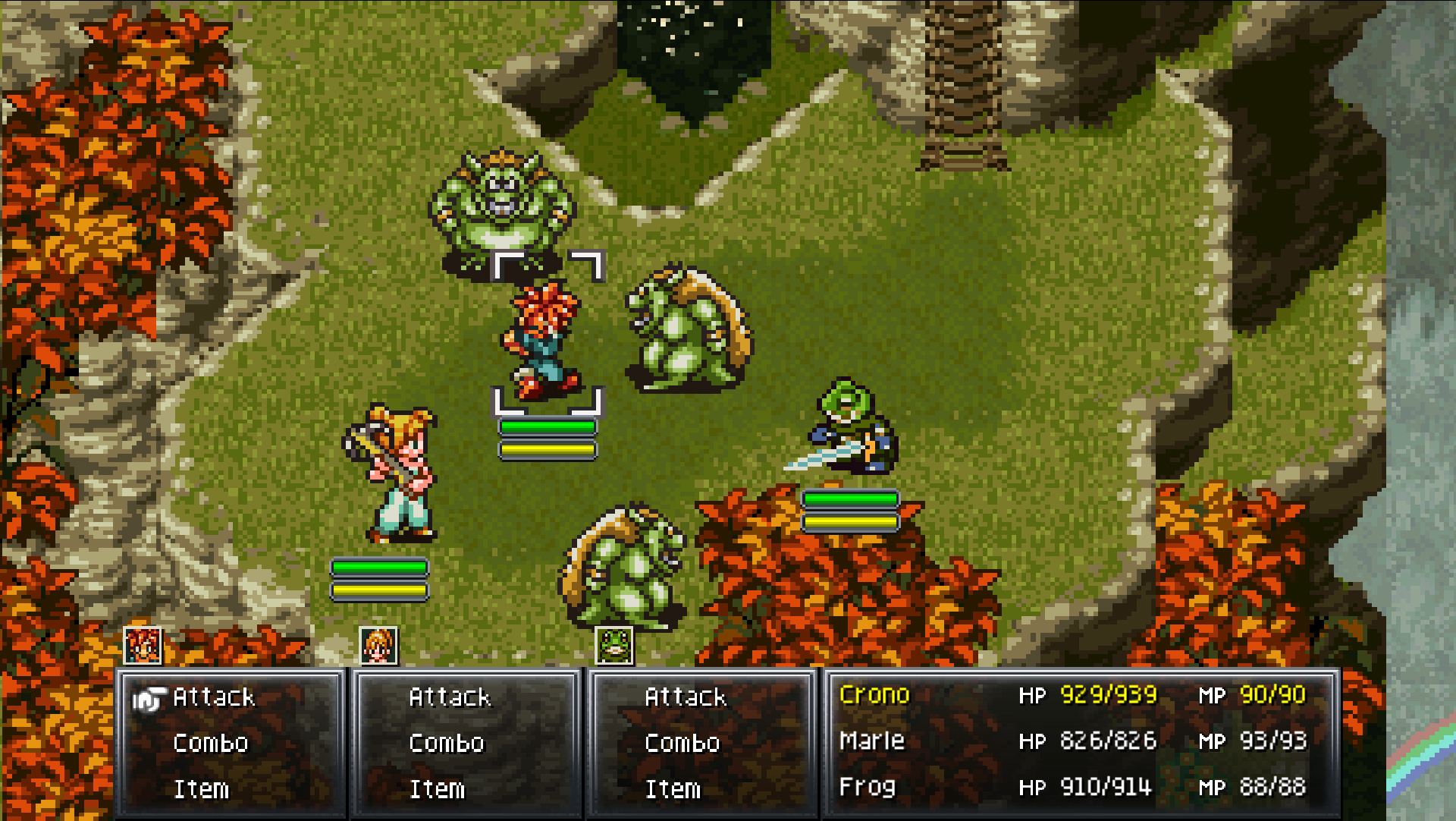
What was reconstructed in Chrono Trigger on the SNES
The goal is to produce readable 65816 assembly, with names and comments, that reassembles the original code of the 1995 American edition. Thus, the project seeks to explain how the game works and reproduce its bytes, preserving the behaviors of the original program.
According to the current README, the tool tracks routine outputs and destinations to verify which code segments are reachable. After the survey started finding only already reconstructed destinations, the ratio between matched code and reachable code reached 100%.
However, the author himself explains that the method returns this total by construction. Therefore, it presents additional checks for jumps, pointers, and isolated blocks to support the classification. The Allves Games checked the documentation, but did not re-audit the assembly or execute the reconstruction.
Why the number doesn't cover the entire cartridge
The main count leaves out the SPC700 sound driver, at 7,153 bytes, and the C3 compressed module, at 26,393 bytes, in separate metrics. This does not mean these areas are necessarily untouched: the STATUS also describes own work on the uncompressed module and its recompression.
In addition, graphics, music, texts, and other data follow a different layer. The repository holds tools and organization maps, while the build process extracts the data from the user-supplied ROM. Therefore, the 65816 code percentage does not measure the complete documentation of each game feature.

The STATUS file preserves previous decisions and measurements, including 71.27% in an October 14 step. Meanwhile, the subsequent survey review section records the current 249,251 bytes. Thus, the values must be read with their chronology and counting criteria, rather than treated as simultaneous numbers.
How to check the Chrono Trigger reconstruction on the SNES
The guide below covers the public repository material for reconstruction and verification. The download delivers source code and tools for study. Furthermore, the process requires a proper ROM of the American 1.0 edition, unheadered, with 4 MiB.
- Tools: asar 1.91, Python 3.10 or later, and make.
- Additional verification on Linux: strace is recommended by the author to check the files opened by the assembler.
- Execution analysis: the documentation mentions an SNES emulator with a debugger, such as bsnes-hd or Mesen-S.
- Get the repository code and prepare the tools listed in the README.
- Place your compatible ROM in
roms/chrono_trigger.sfc. Then, check its hash against the filerom.sha256provided by the project. - Use
make buildandmake diff, as per the guide. The first builds the image with its own data; then, the second compares the result with the reference ROM.
The process also verifies the build on images initially filled with different values. Thus, it attempts to demonstrate that the output comes from the assembly and the expected data. Even so, generating the same bytes and reviewing the interpretation of each function are distinct tasks.
What still needs review
The current STATUS points to the independent review of the routines as a work target. There are also names and interpretations marked as hypotheses, as well as open questions about the program flow. Therefore, “matched code” should not be confused with final documentation of the entire operation.

Chrono Trigger already has a commercial edition for computers on Steam, released in 2018. ChronoRET, on the other hand, is working on the reconstruction of the SNES version: it does not announce a remake, a translation, or a substitute for that release. There is also no confirmation of a deadline for any eventual derivative port.
To follow other works with classics, see the PC version of Dragon Ball Z: Super Saiya Densetsu and the ports editorial of Allves Games. Each project has its own stage and requirements.
Sources: README and code of ChronoRET; STATUS and survey decisions; releases page; commercial edition of Chrono Trigger on Steam.